2025
2025

ALL EYES ON IRAN

Land Of The Eight Sun
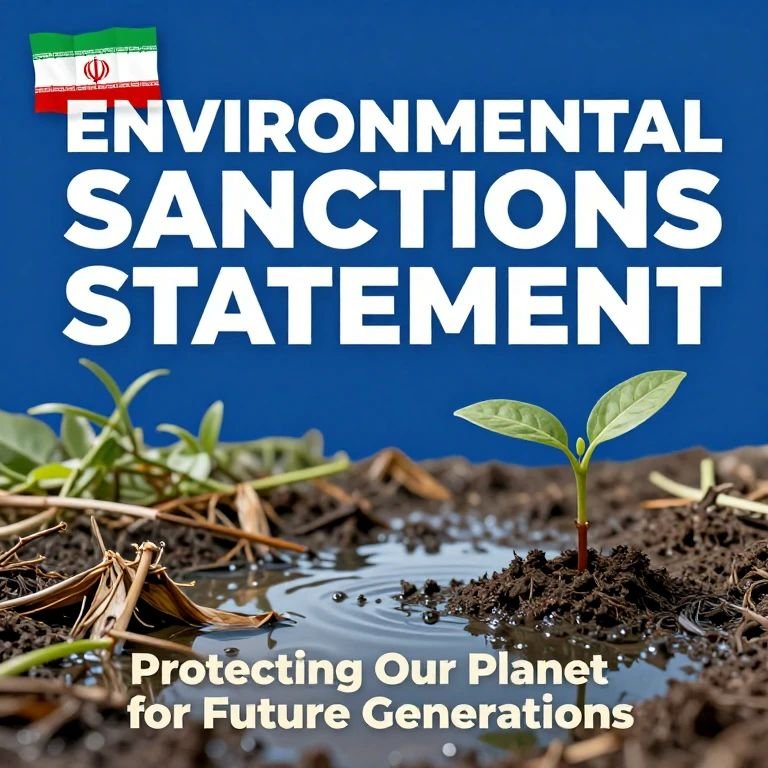
Environmental Statement
Learn more
Service narrative
Learn more
Statement
Learn more
Our Core Value / Our Foundation

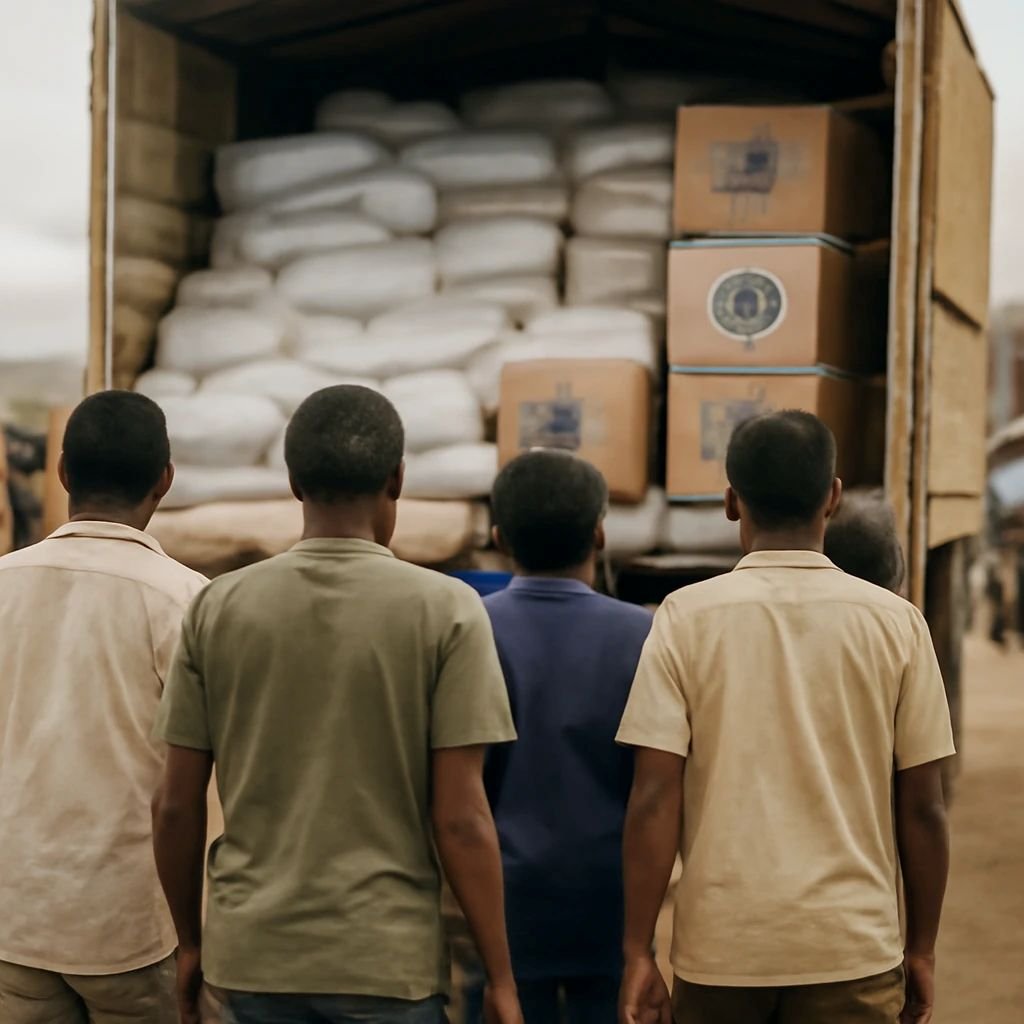
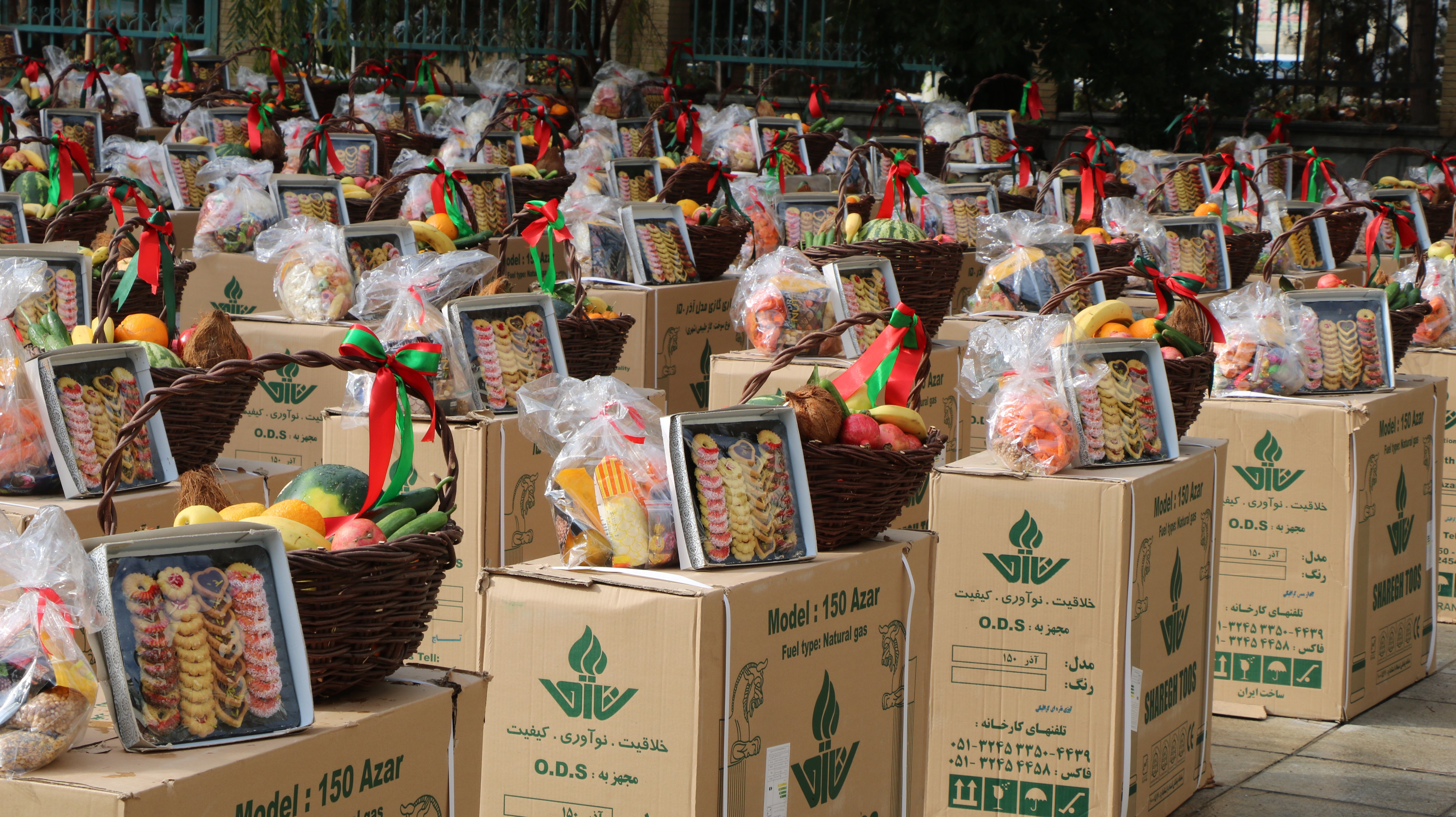
.1 Poverty alleviation and sustainable development at the international level. 2. Management Crisis in natural disasters such as floods, earthquakes and infectious diseases. 3. Distribution of baskets of goods for needy families. 4. Providing cultural and educational services to children and teenagers.

Abshar Atefeh was established in the November 2001 with registration number 2310 and national license number 1/8/83/156887. From the very beginning of its activity, this charity has been trying to provide the ground for serving the deprived people of society as much as possible by proposing expert views and expert reviews and a ...


Learn more
Support process
Education
Reducing educational barriers and identifying students talents
Medical Services
Cooperation of 22000 doctors with the foundation
Poverty Elimination
About 900/000 people are supported by this charity and use the services of this complex
Liam
Nice job really
Elisa
Nice people really, thanks
Henry
Charity law within the UK varies among England and Wales, Scotland and Northern Ireland, but the fundamental principles are the same. Thank you really
Elena
Great service thank you guys
Arlo
So helpful thanks
Claire
Thank you for your help
Environmental Statement


Impact of Unilateral Illegal Sanctions on the Right to a Healthy and Sustainable Environment

Introduction

The right to a healthy and sustainable environment has increasingly been recognized as a fundamental human right by international human rights mechanisms and a prerequisite for the realization of a wide range of other human rights, including the rights to life, health, food, water, and an adequate standard of living. The Human Rights Council has reaffirmed that environmental degradation and climate change constitute major threats to the enjoyment of human rights and that unilateral measures that undermine environmental protection can result in violations of States’ human rights obligations (Human Rights Council resolutions on human rights and the environment).

Despite this, unilateral coercive measures (UCMs)—often justified as political or security measures—can impede States’ capacity to protect and sustainably manage their environment. These sanctions frequently restrict access to essential technologies, financial resources, environmental cooperation, and international best practices necessary to mitigate pollution, conserve biodiversity, and adapt to climate change. The resulting ecological impacts can undermine the enjoyment of the right to a healthy environment, particularly for vulnerable populations.

Negative Impacts of Unilateral Sanctions on the Right to a Healthy and Sustainable Environment

  1. Restricted Access to Environmental Technology and Sustainable Practices

Unilateral sanctions commonly include financial restrictions and trade barriers that limit access to modern environmental technologies, equipment, and know-how essential for pollution control, environmental monitoring, renewable energy deployment, and sustainable resource management. Environmental law principles—such as the duty to prevent transboundary harm and the obligation to adopt sustainable development measures—are impeded when States cannot acquire advanced technologies or technical cooperation due to sanctions.

For example, sanctions on financial interactions with Iran have limited the country’s ability to access advanced technologies for air quality monitoring, fuel efficiency, and environmental data collection, contributing to persistent air pollution challenges in urban centers. This restriction on technology transfer undermines environmental governance and the capacity to implement internationally recognized environmental standards.

  1. Increased Pollution and Environmental Degradation

Environmental law recognizes the interdependence between environmental quality and human health. Sanctions that restrict access to cleaner technologies or the replacement of obsolete infrastructure can result in heightened pollution levels, with adverse effects on ecosystems and human wellbeing. In the context of Iran, analysts have noted that sanctions have contributed to prolonged reliance on older vehicles with inefficient fuel use, increased emissions, and worsened air quality, exacerbating respiratory illnesses and environmental health risks for the population.

The inability to modernize energy and transportation sectors due to financial and trade constraints can impede transitions to cleaner fuels and sustainable mobility, directly affecting the right to a healthy environment and associated rights to health and life.

  1. Blocked International Environmental Cooperation and Aid

Unilateral sanctions also limit participation in international environmental cooperation and access to environmental assistance programs. International environmental agreements and mechanisms often involve technology transfer, capacity-building, and financial support that help States address climate change, biodiversity loss, and sustainable resource management. When a country is cut off from international funding channels or discouraged from engaging with international partners due to fear of sanctions penalties, essential environmental programs can be delayed or abandoned.

For instance, restrictions on accessing international financial resources and partnerships have been cited by officials as obstacles for Iran in meeting its climate commitments and participating fully in multilateral environmental processes.

  1. Exacerbation of Environmental Crises Through Economic Pressure

Economic sanctions can lead to currency devaluation, limited public revenue, and redirected national priorities, which may reduce investment in environmental protection and sustainable infrastructure. This economic strain can compel States to rely more heavily on natural resource exploitation or environmentally harmful practices to maintain basic economic functions, thereby degrading ecosystems and biodiversity.

  1. Impediments to Climate Change Adaptation and Mitigation

The Paris Agreement and other international climate frameworks emphasize the need for technology transfer, climate finance, and cooperative action to address global climate challenges. Unilateral sanctions that sever access to international climate finance mechanisms, renewable energy technologies, and joint research opportunities impede States’ capacity to adapt to the impacts of climate change.

Iranian diplomats and representatives have highlighted that unilateral sanctions hinder renewable energy investment, limit access to environmentally sound technologies, and constrain joint environmental research, thereby negatively affecting efforts to combat climate change and its environmental consequences.


Conclusion

Unilateral illegal sanctions, as implemented in many contexts, present significant barriers to the realization of the human right to a healthy and sustainable environment. By restricting access to technology, cooperation, finance, and sustainable practices, such sanctions can perpetuate pollution, degrade ecosystems, and undermine States’ capacity to meet environmental obligations. Human rights and environmental governance are intrinsically linked; therefore, policies that impair environmental protection must be critically reassessed to align with international law and the shared goal of sustainable development for all.

We believe all UCMs are illegal and contrary to International Law. Also states must reassert their commitments under international human rights law and environmental agreements, ensuring that political measures do not compromise the integrity of environmental protection and sustainable development.


Service narrative
Service narrative

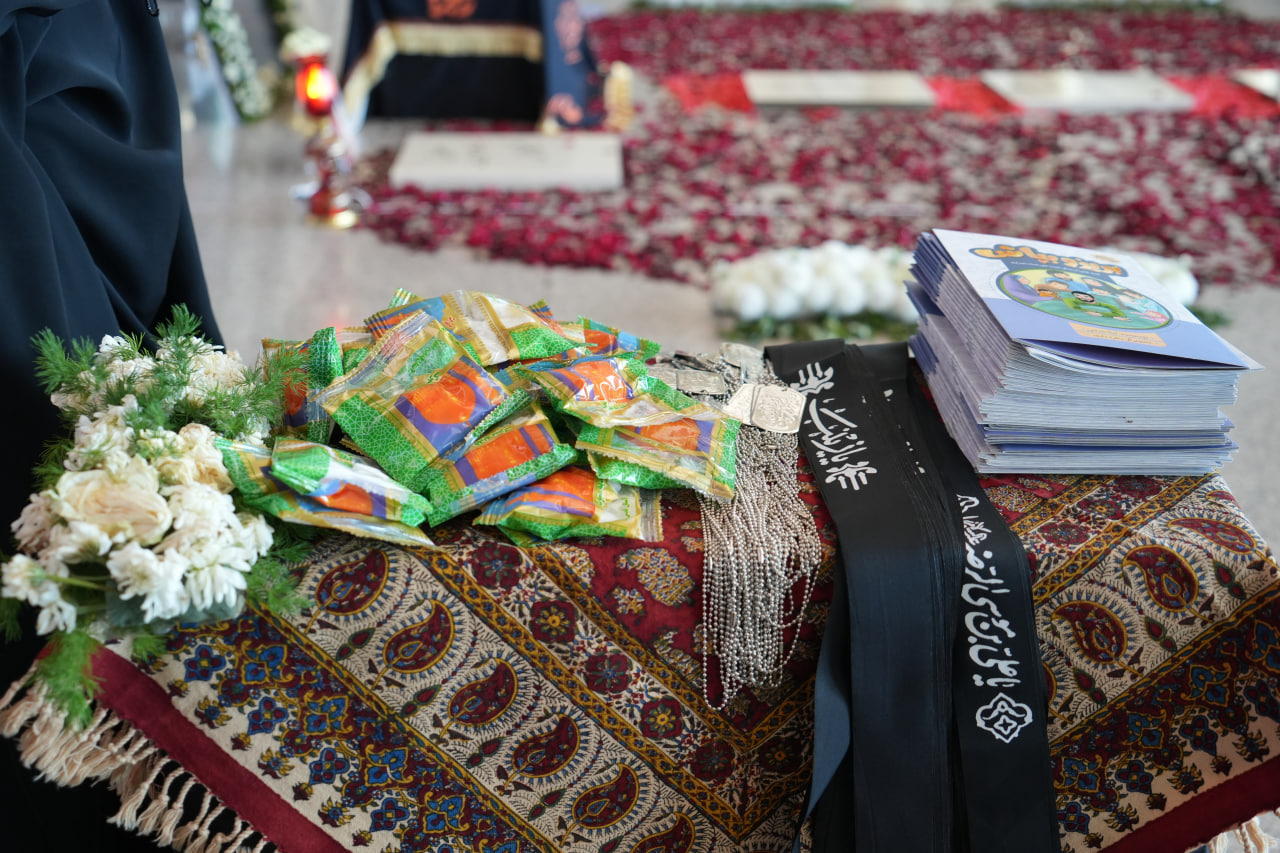
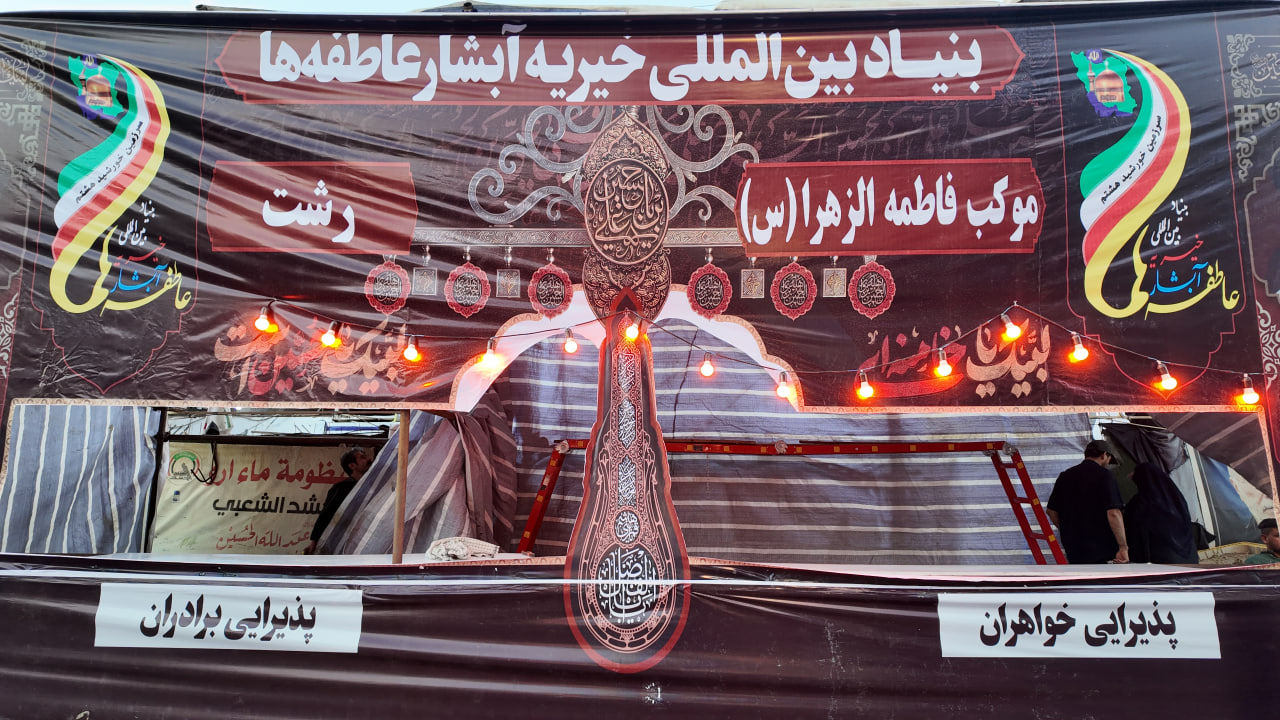
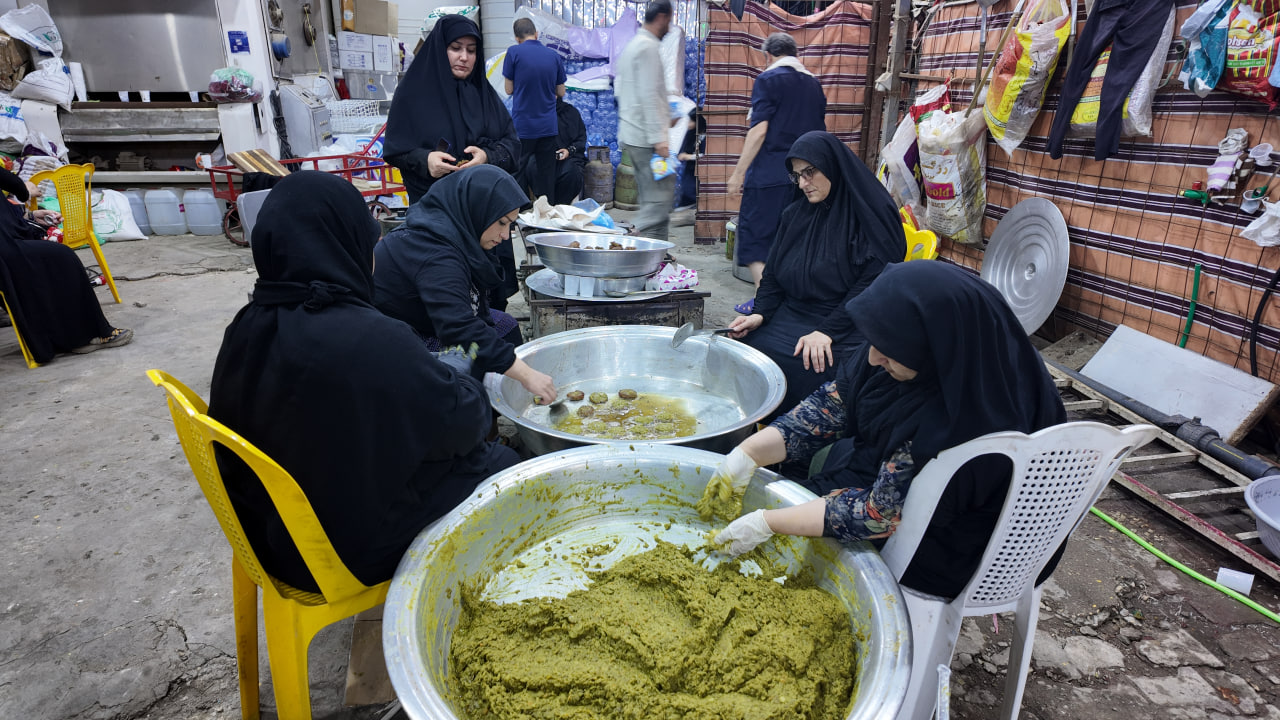
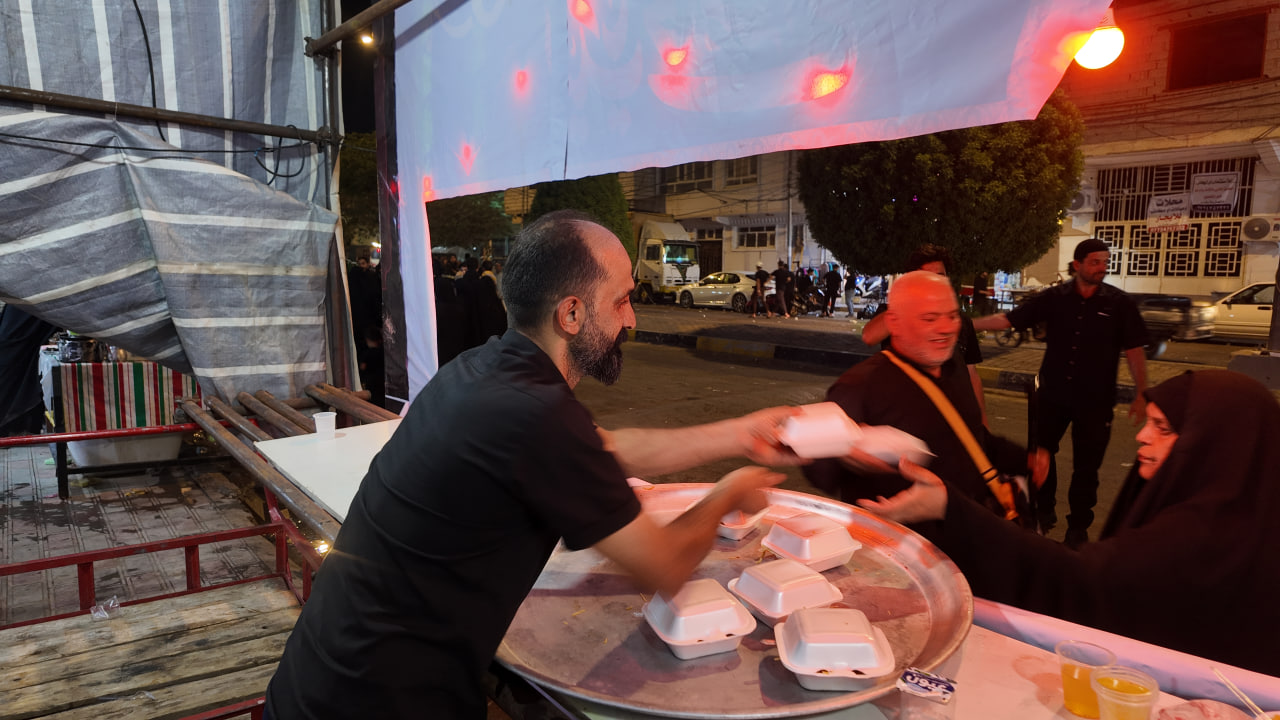
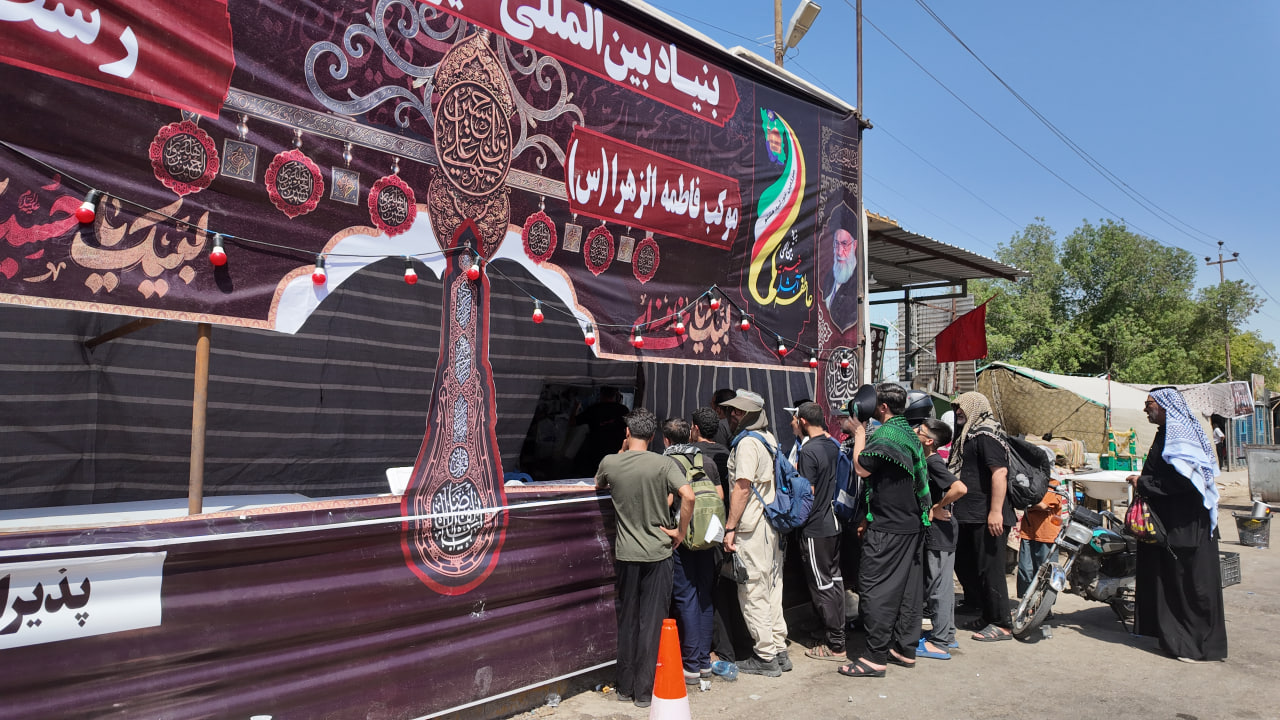
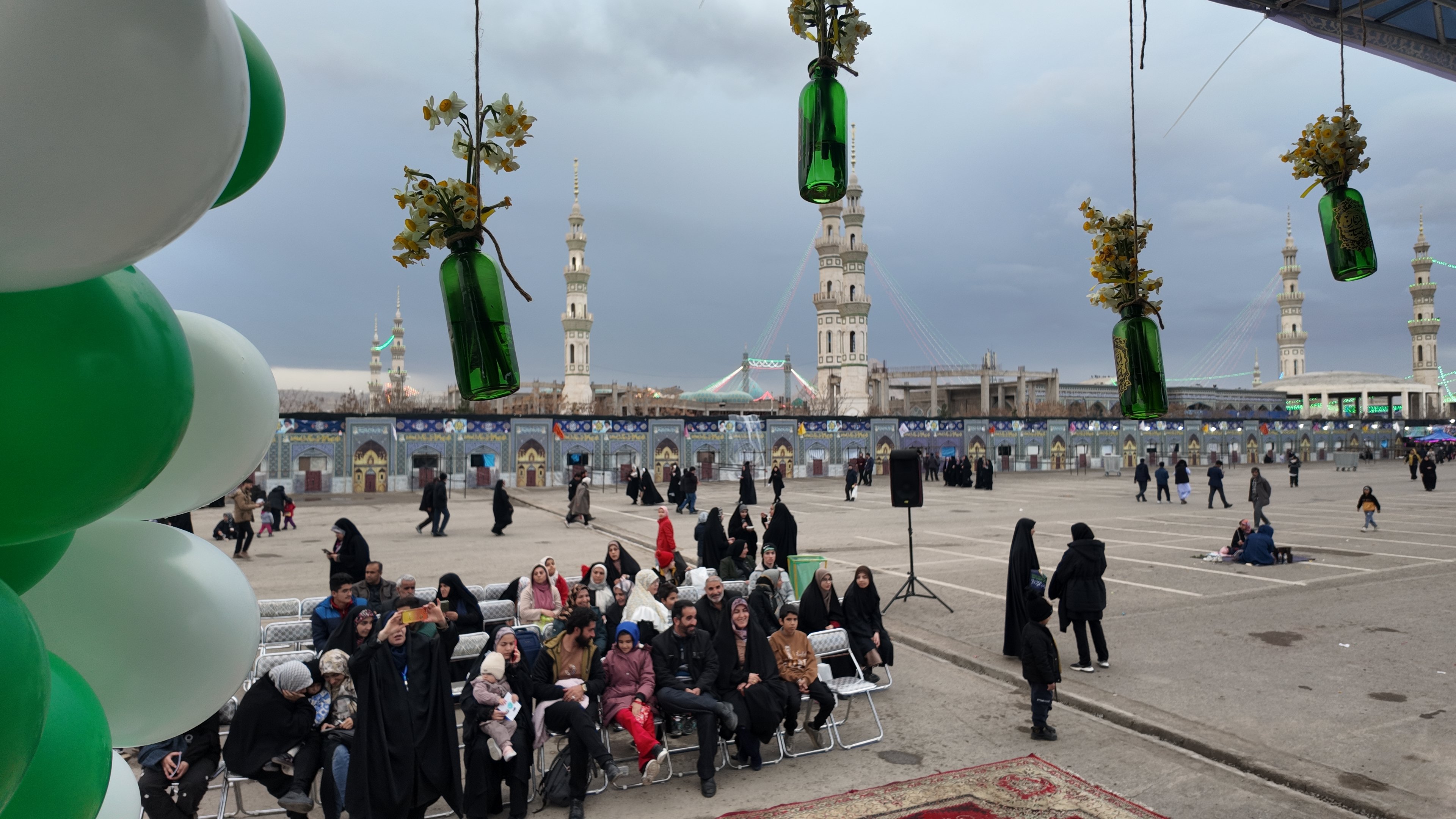
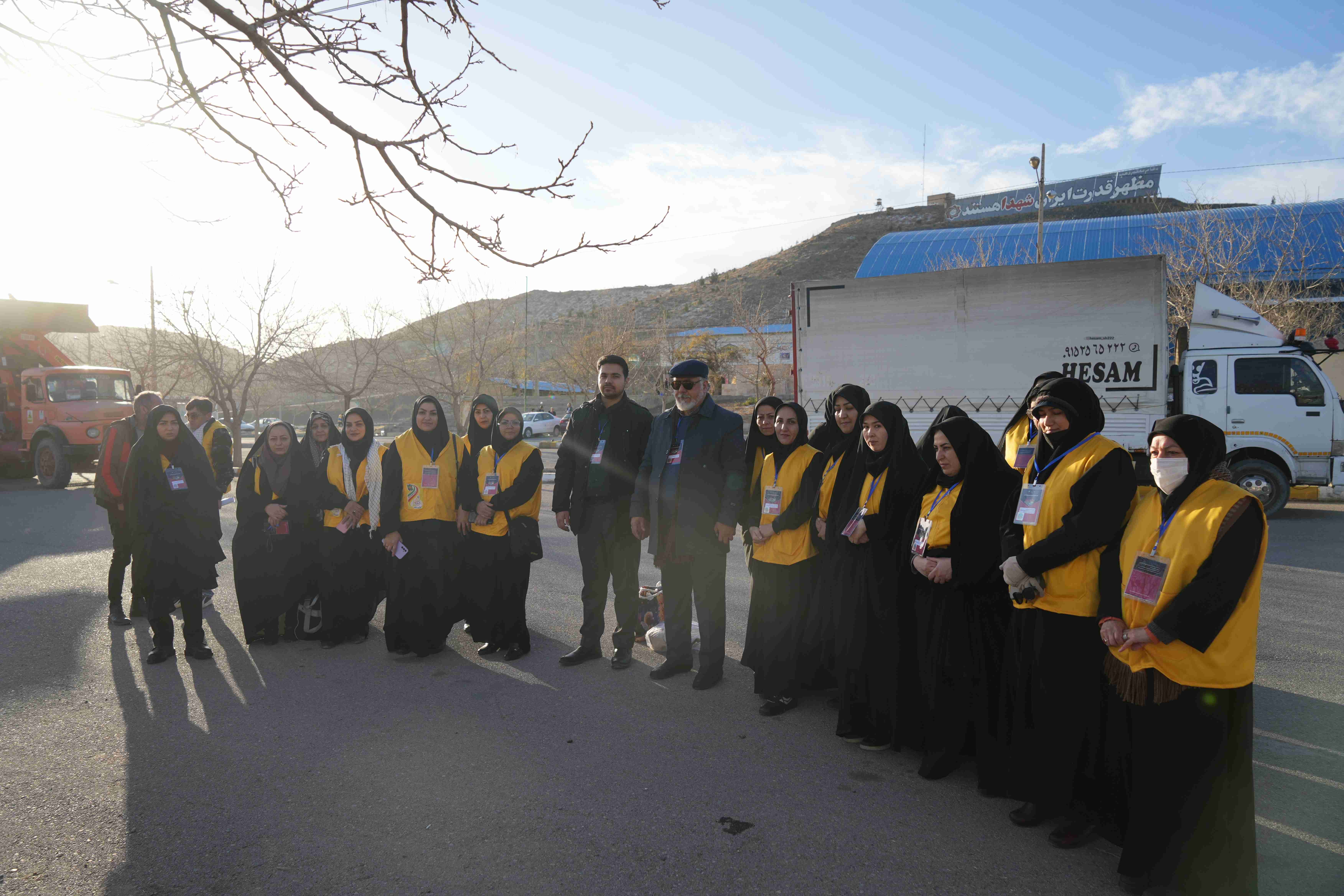
Special Report on the Activities of the Waterfall of Emotions International Charity Foundation in the Holy Mosque of Jamkaran

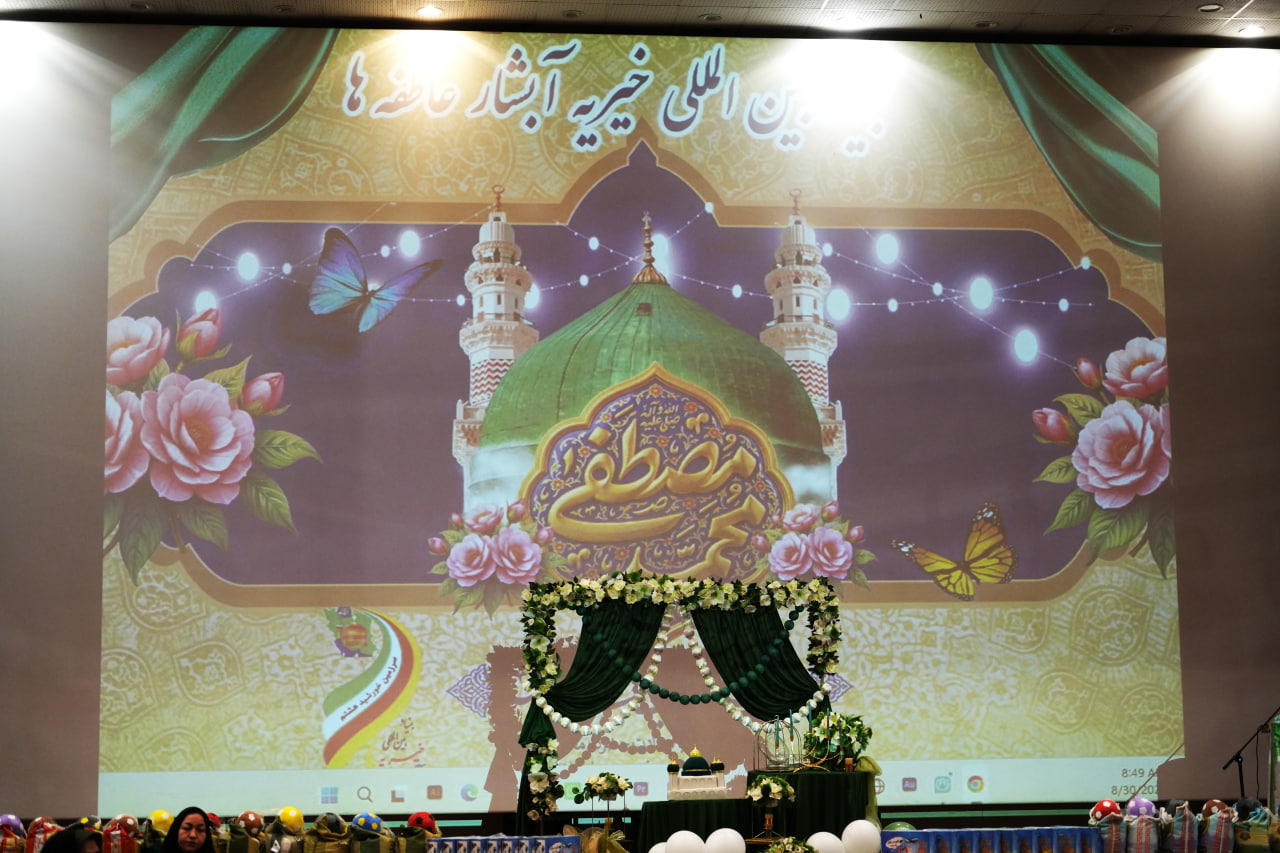
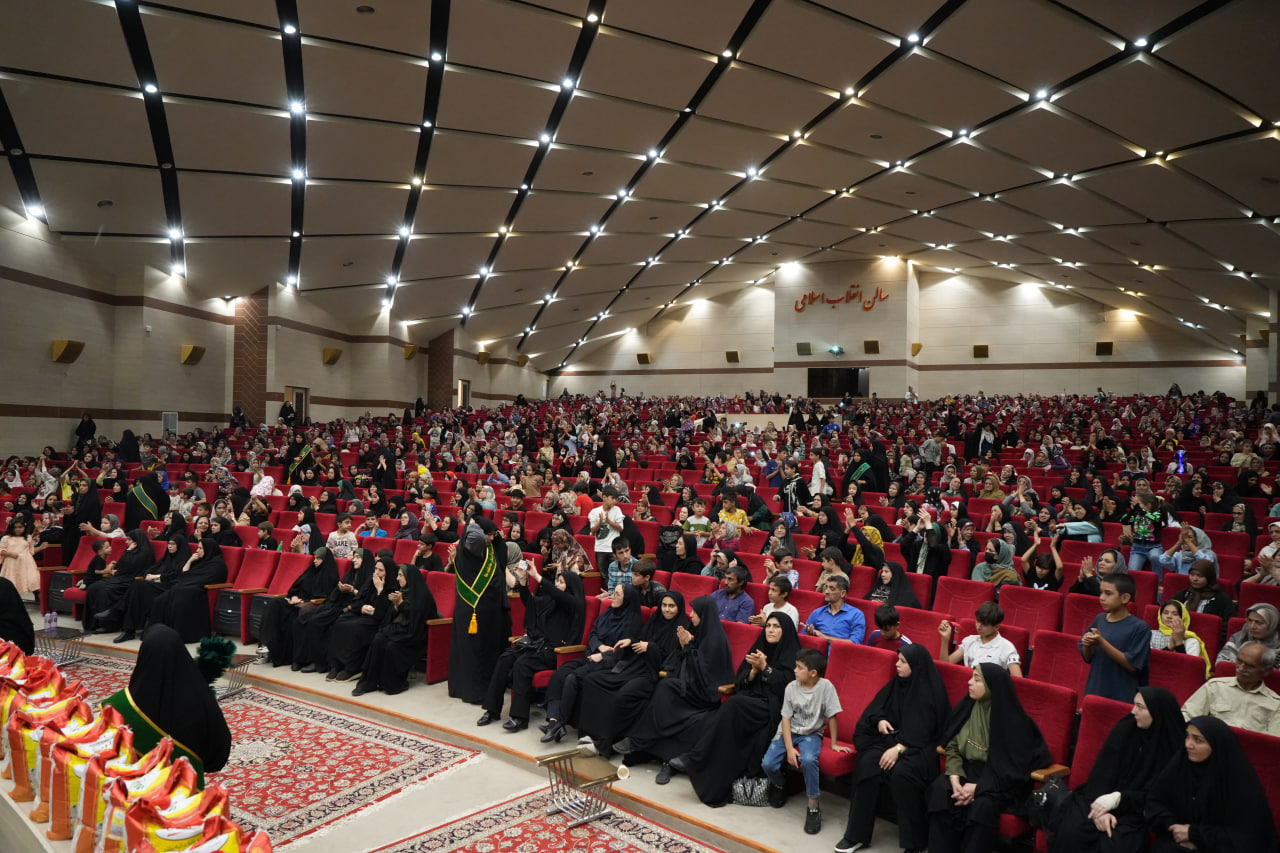
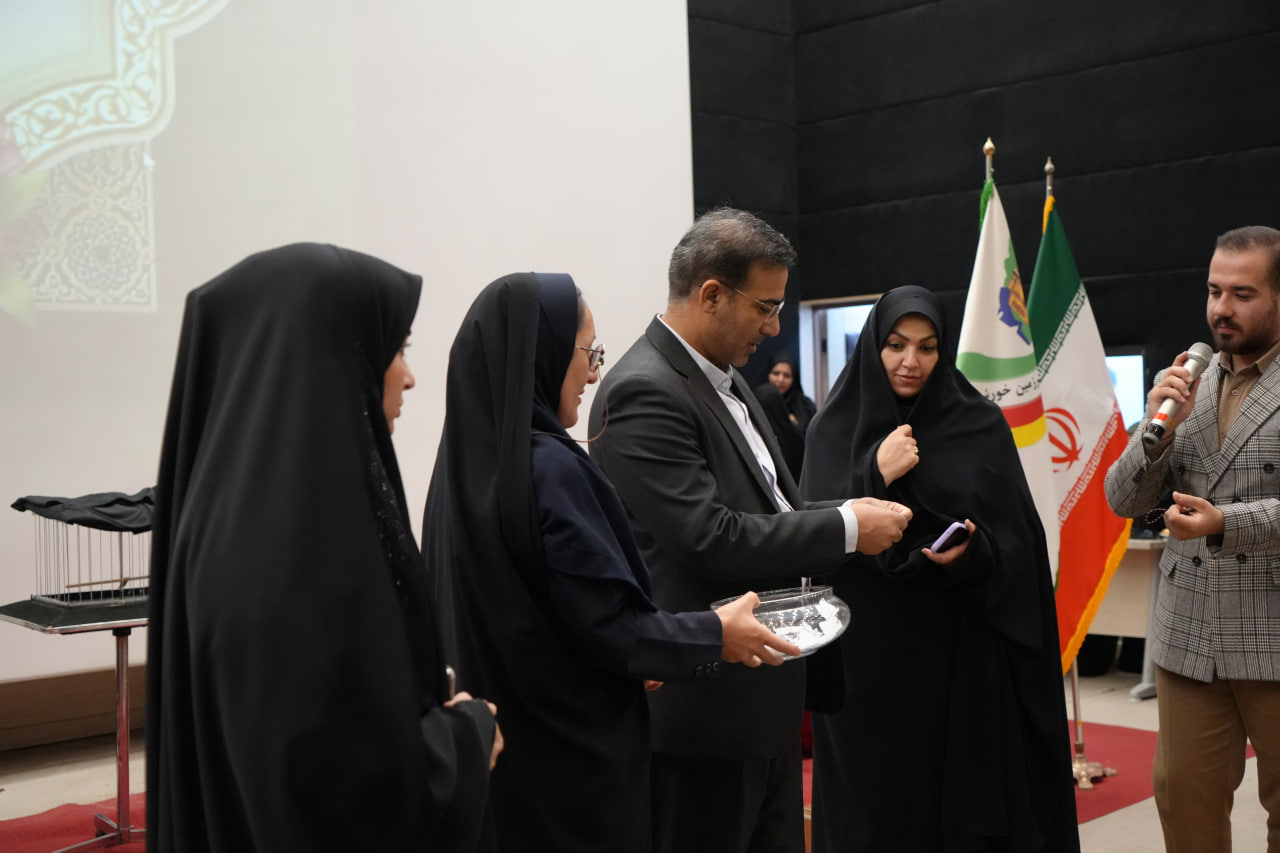
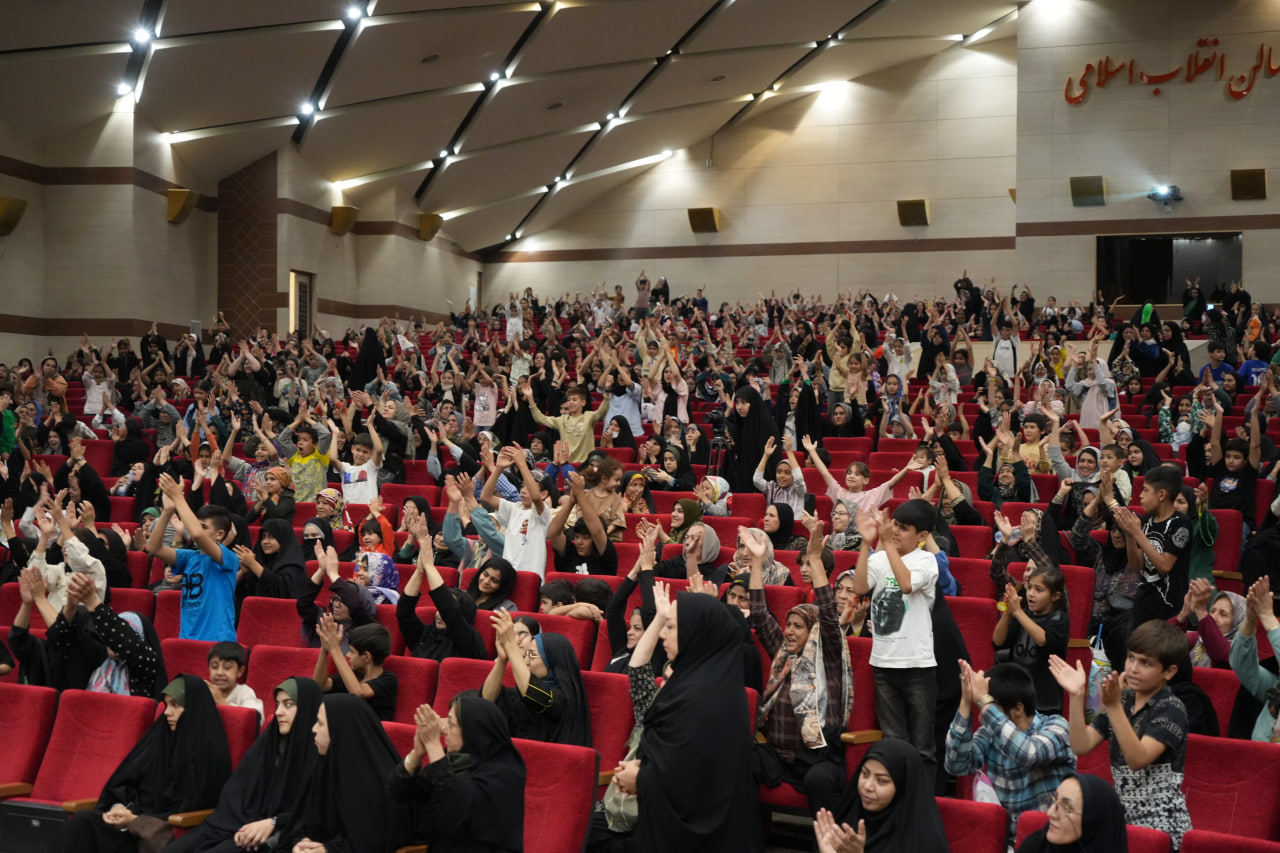
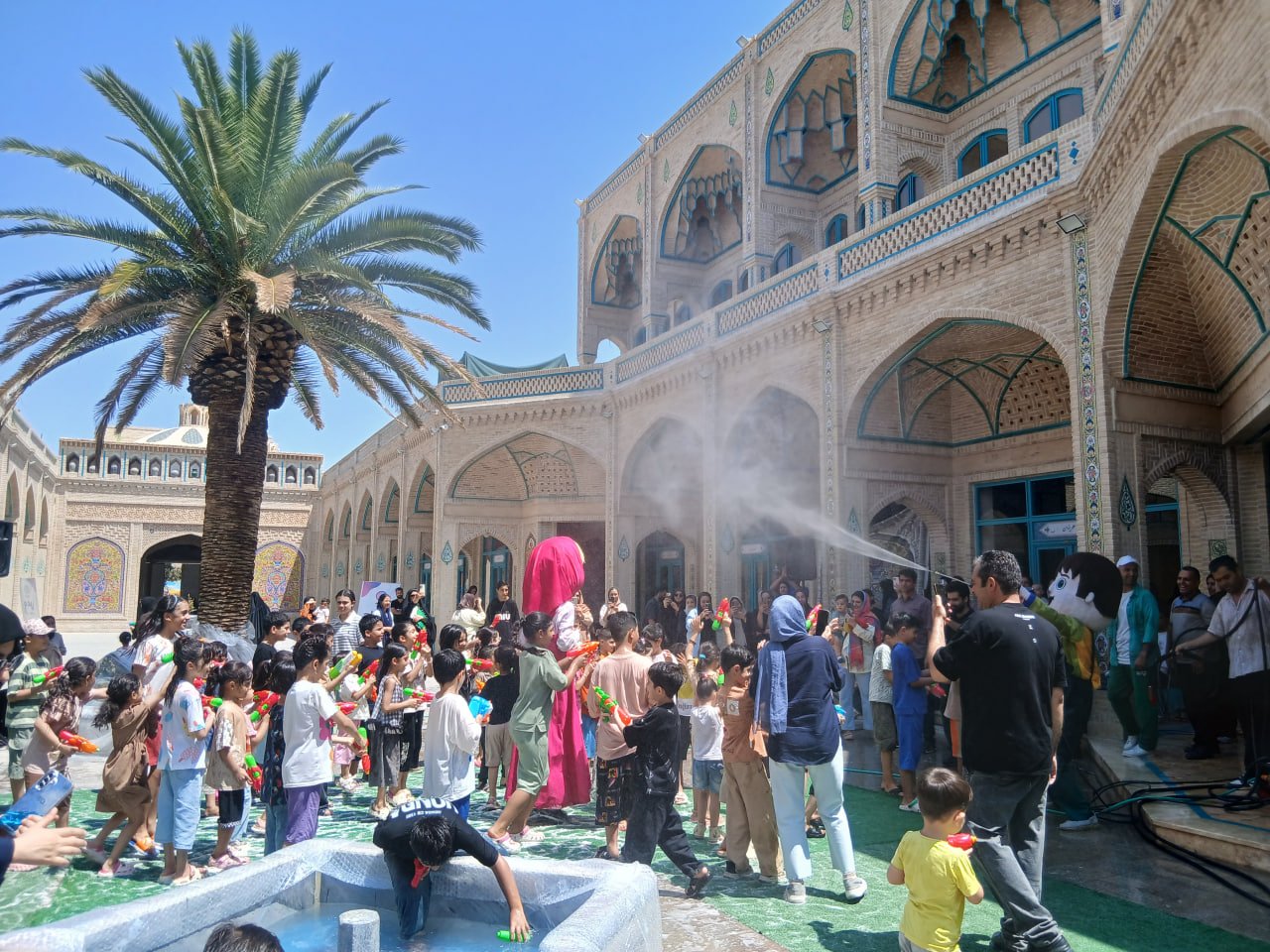
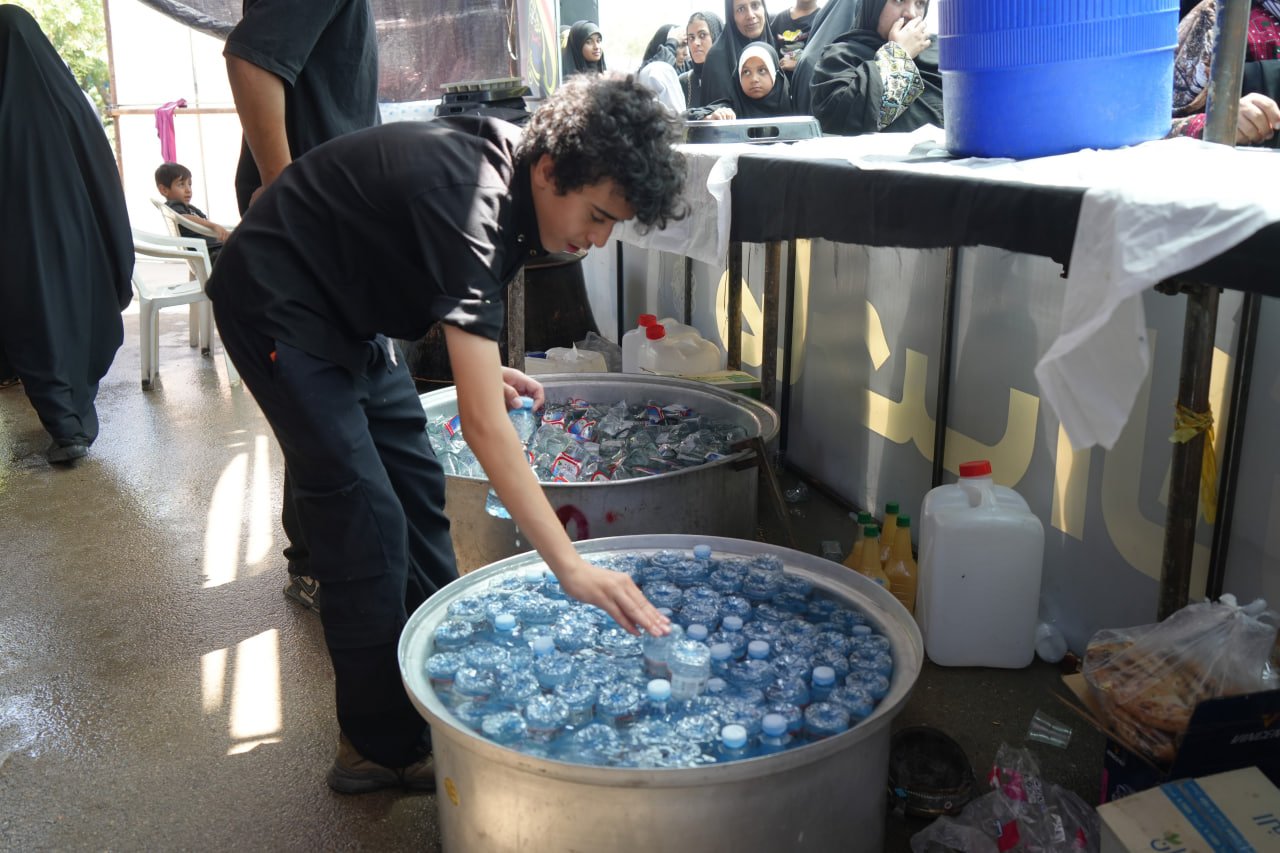
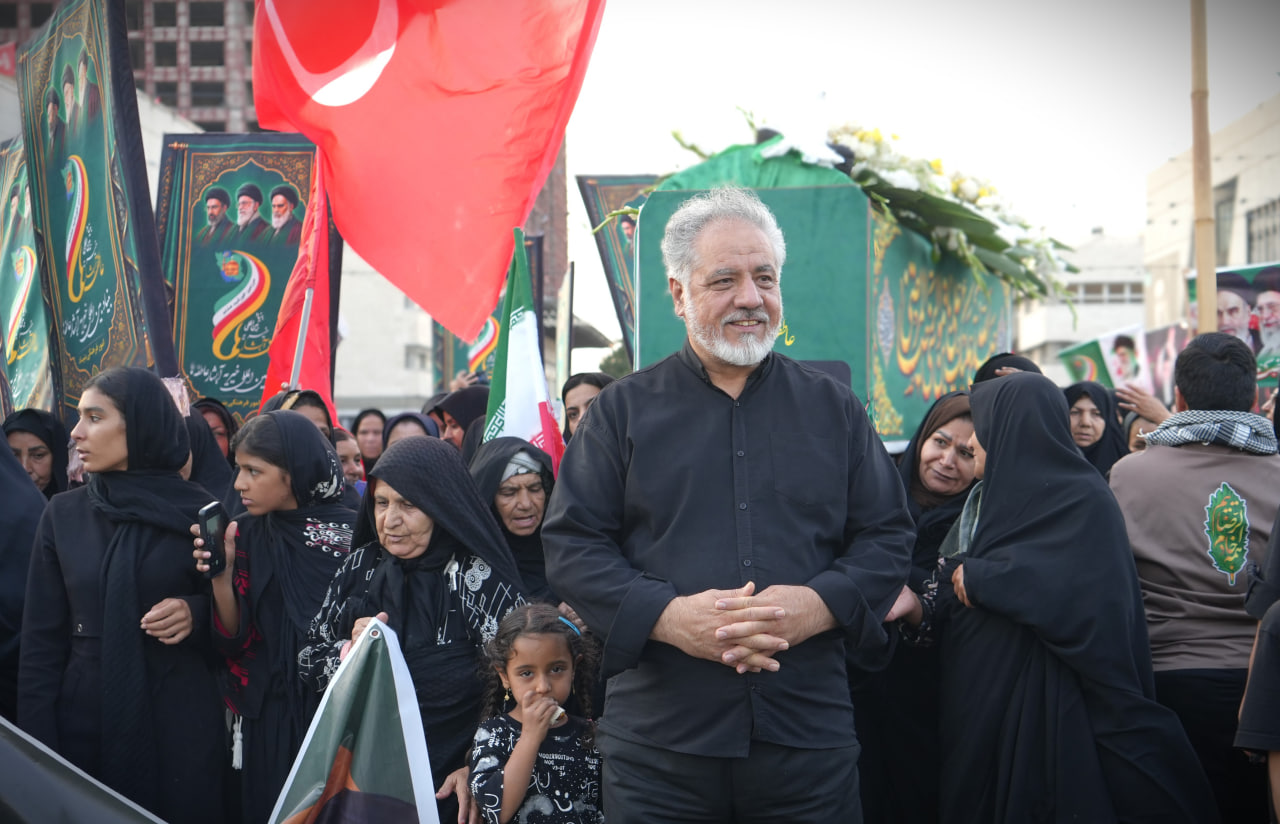
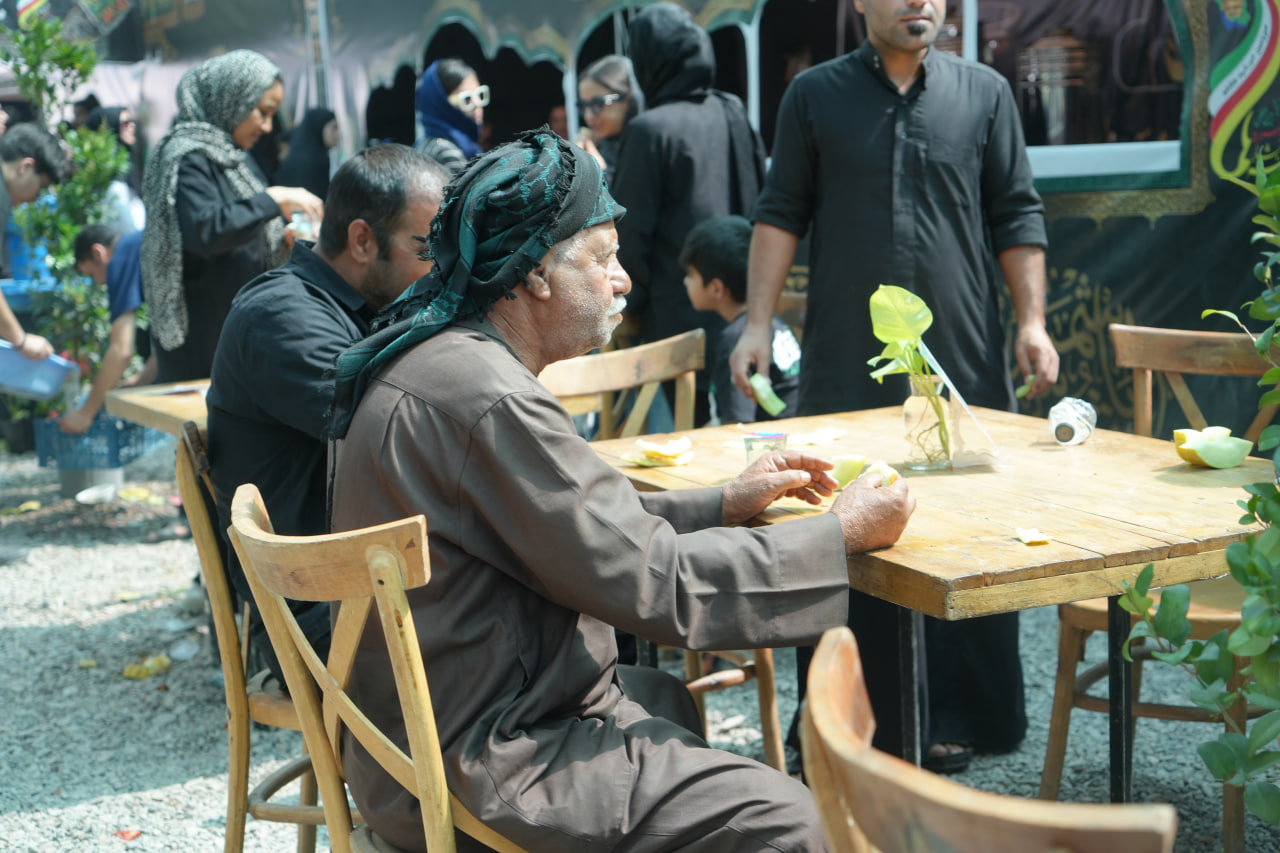
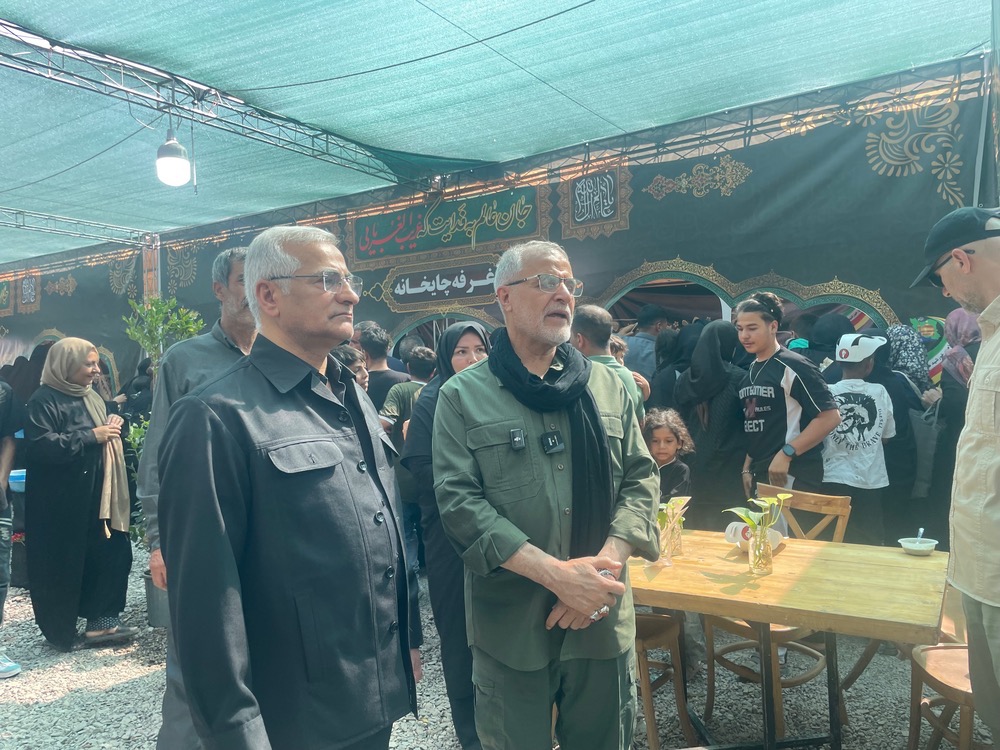
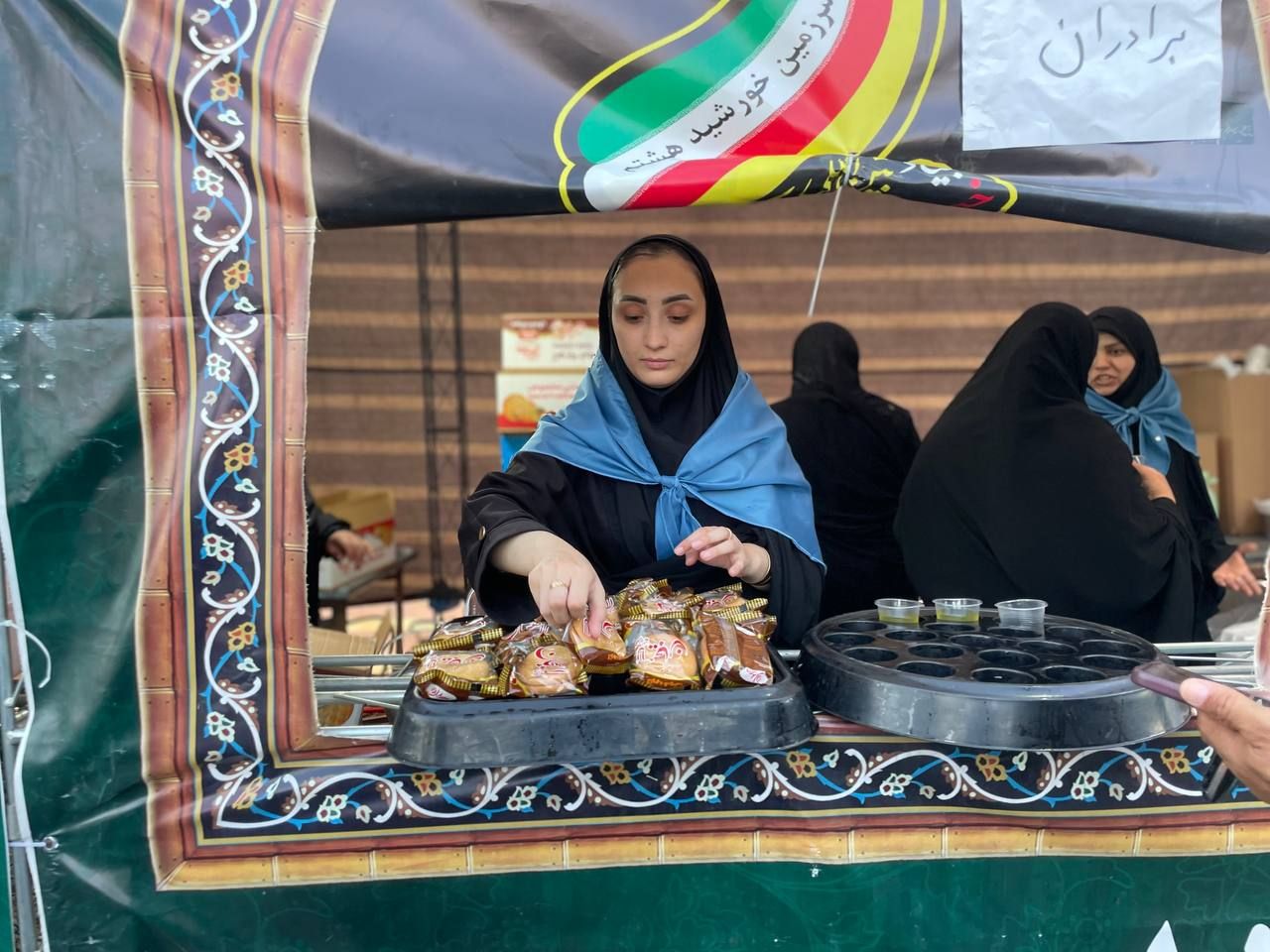
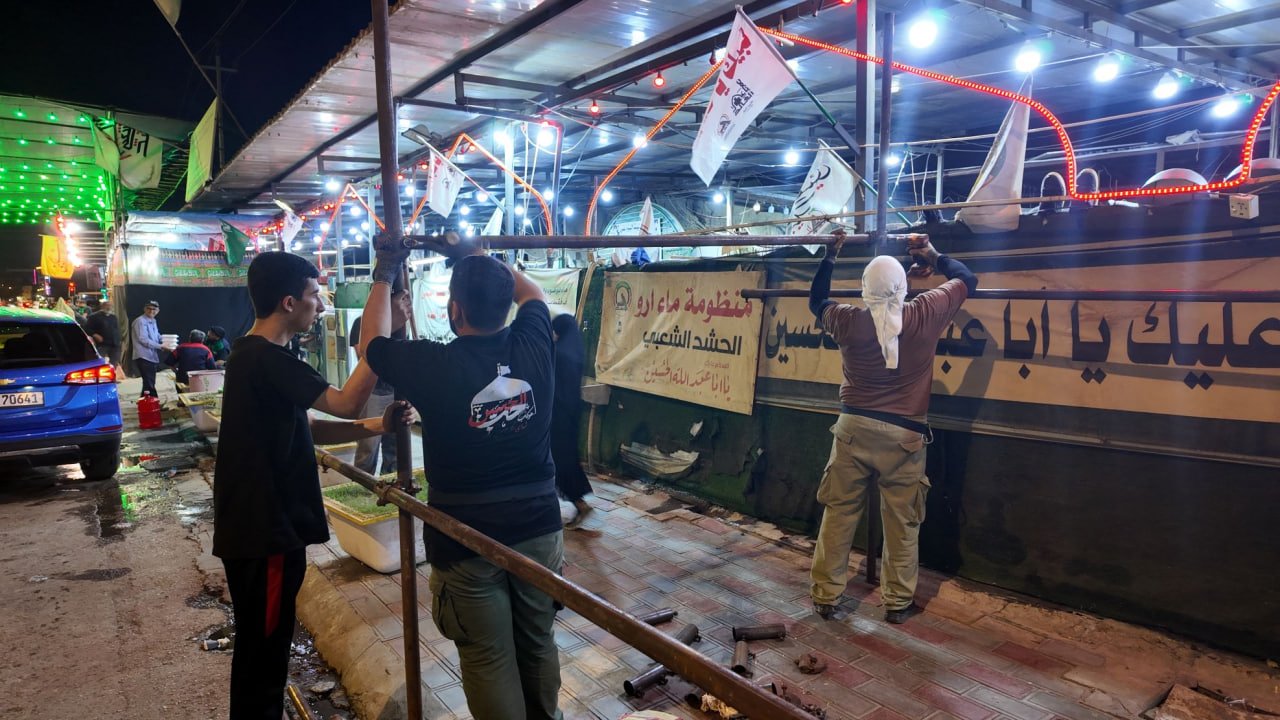
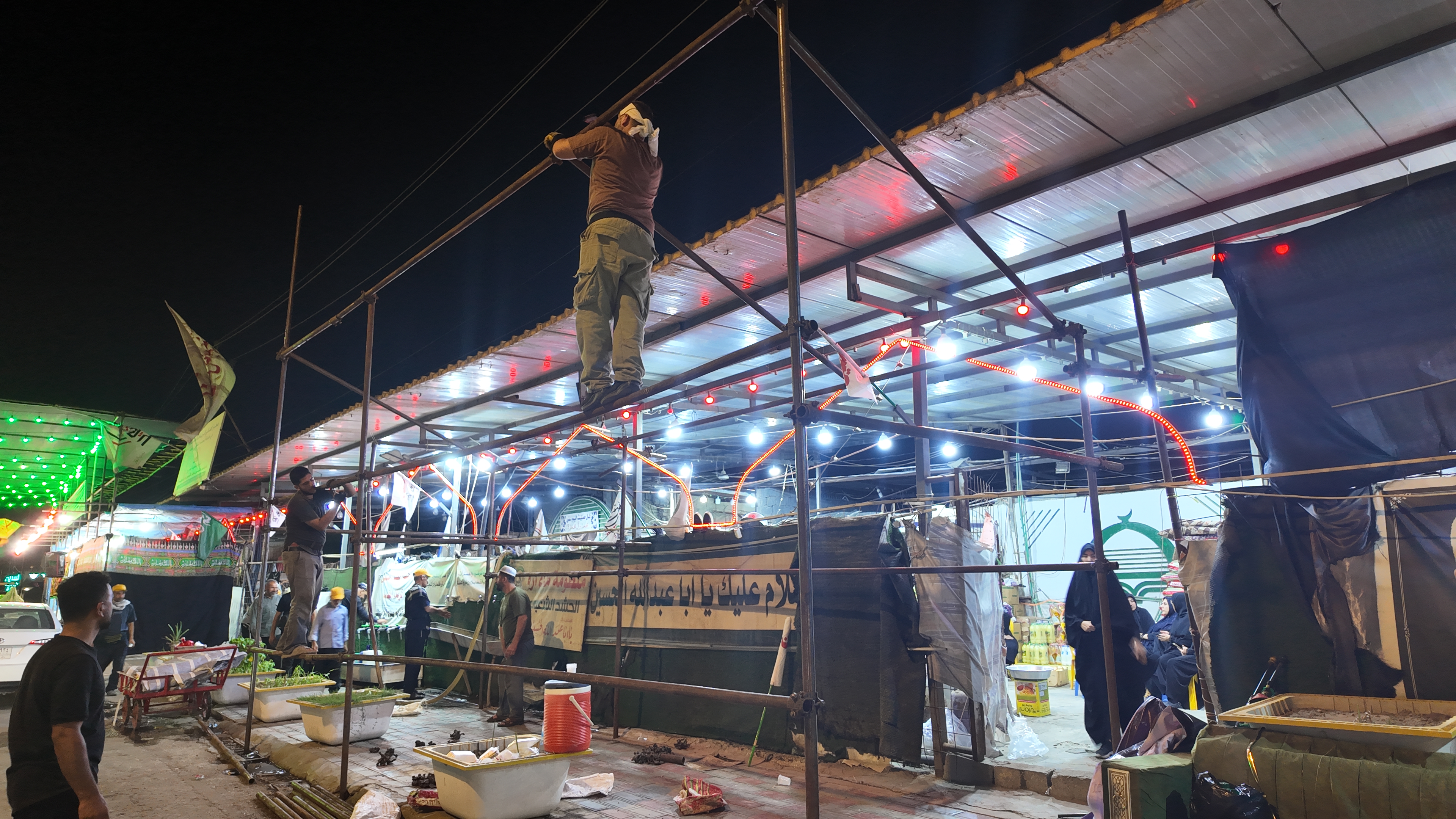
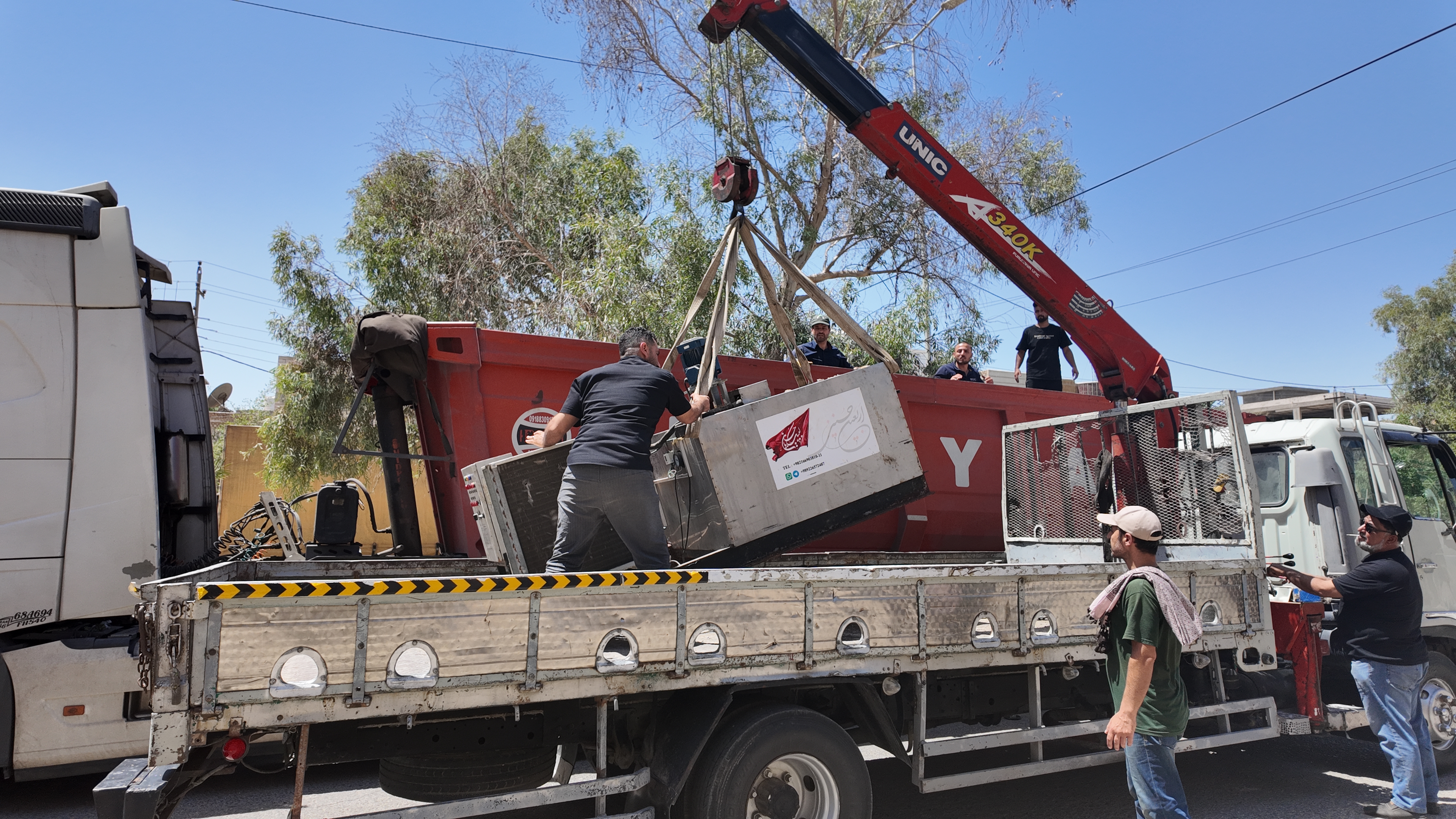
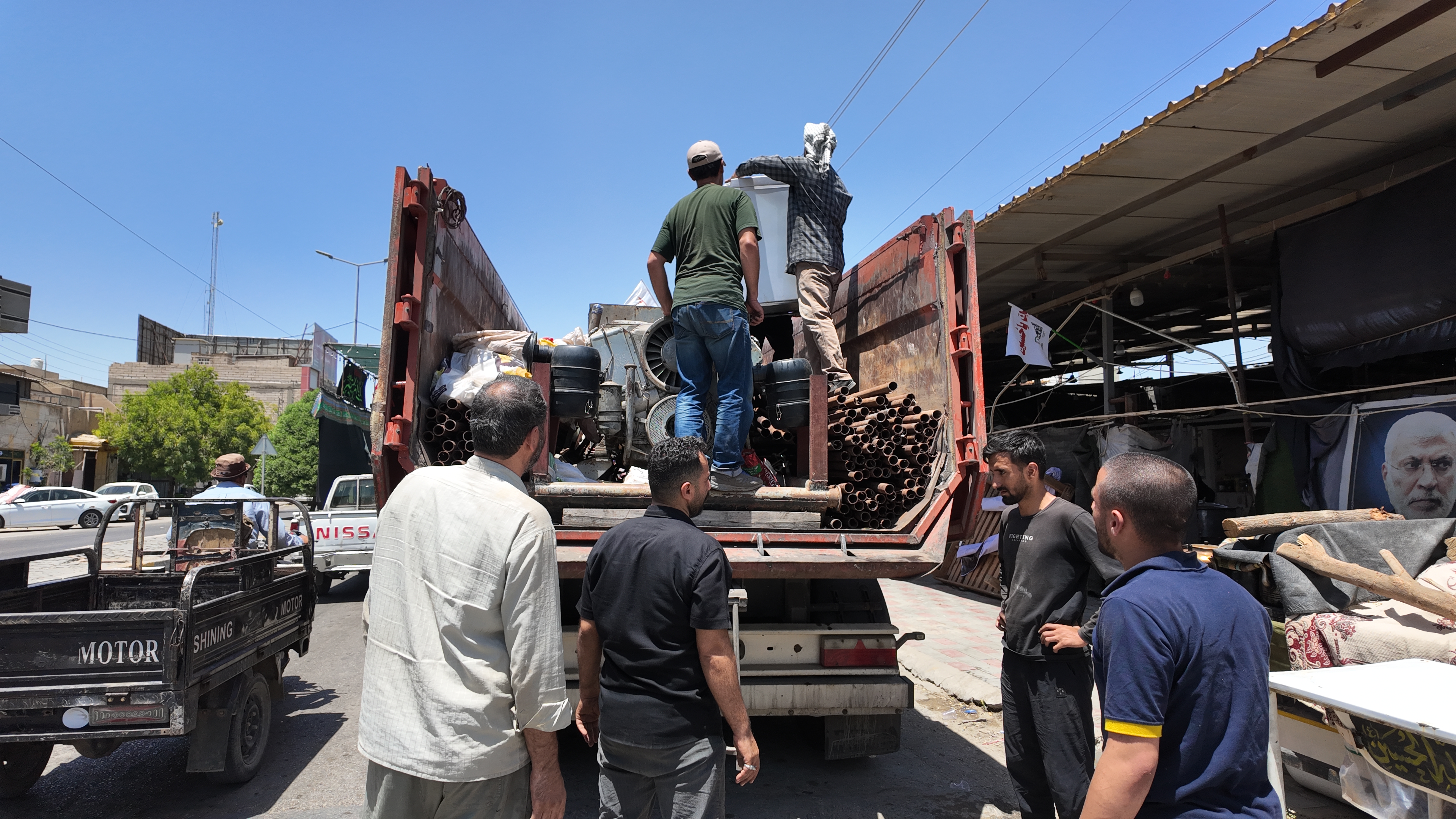
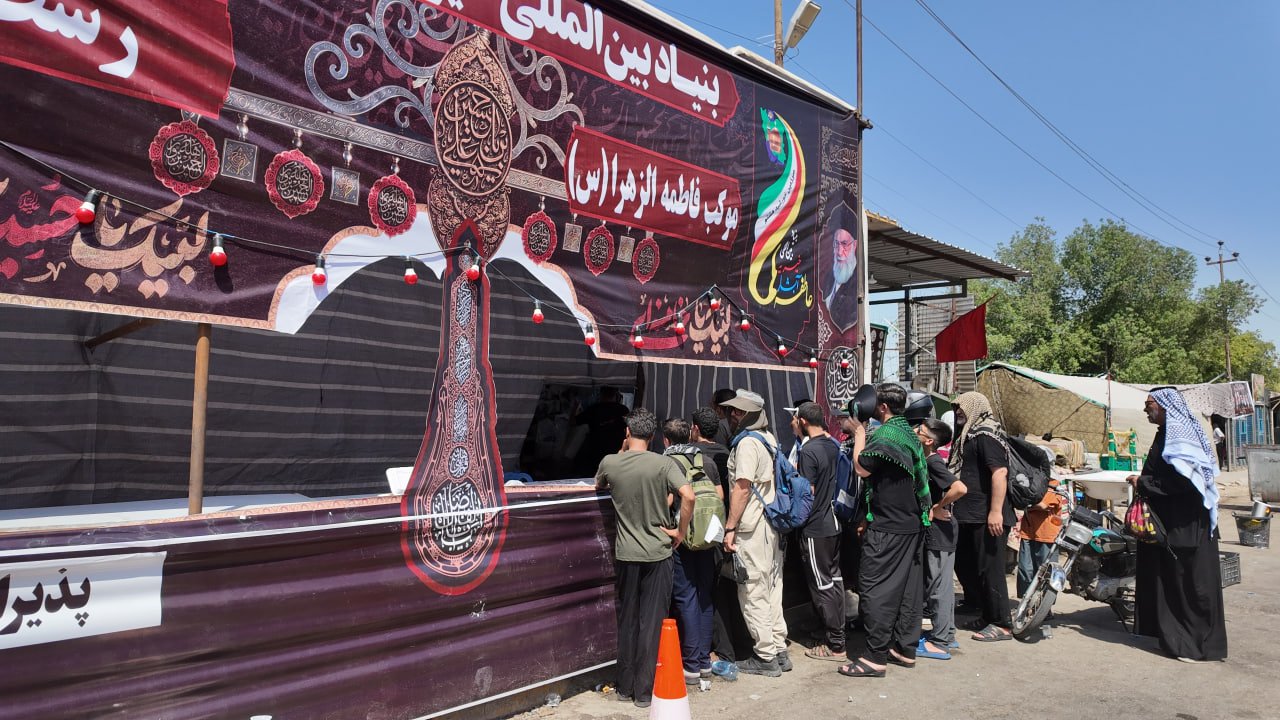
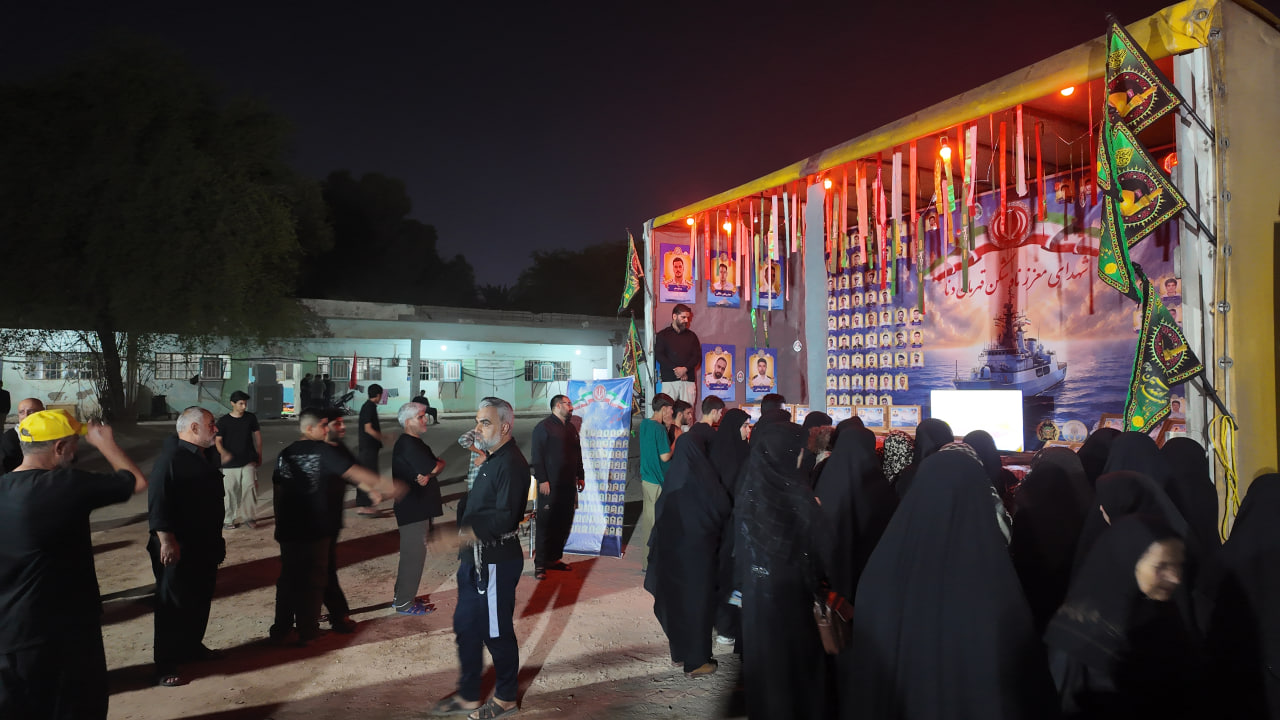
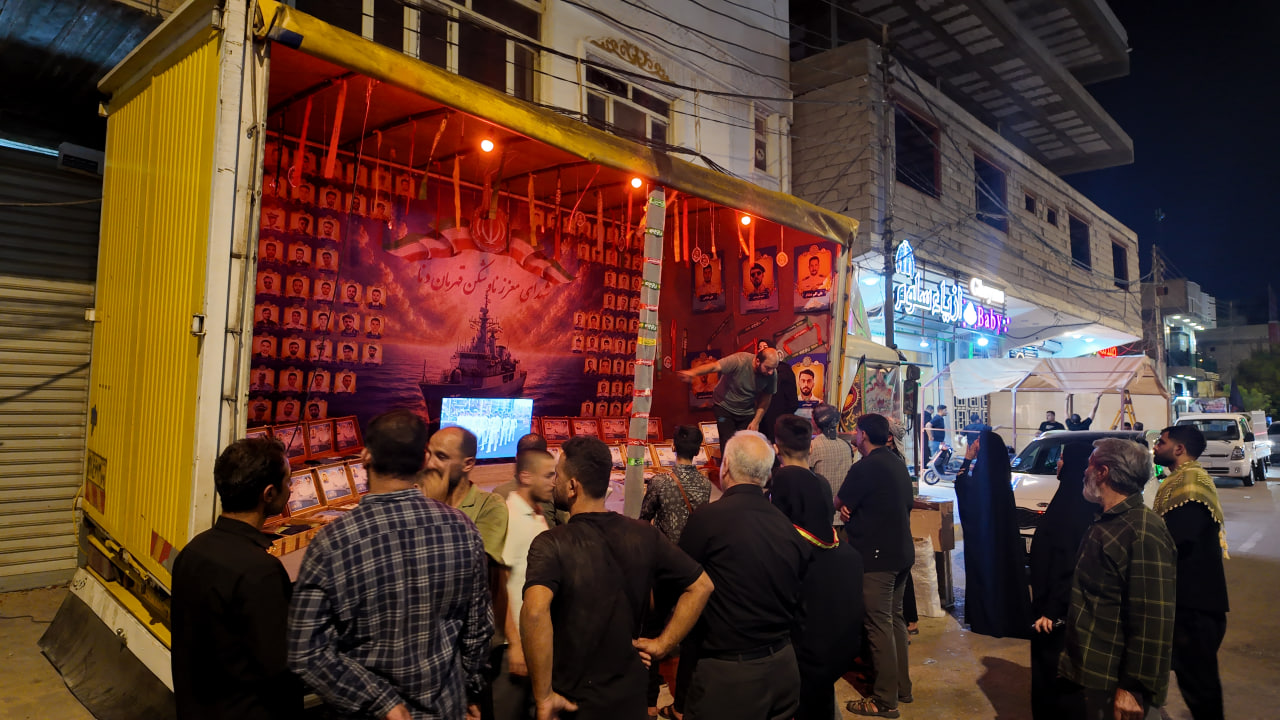
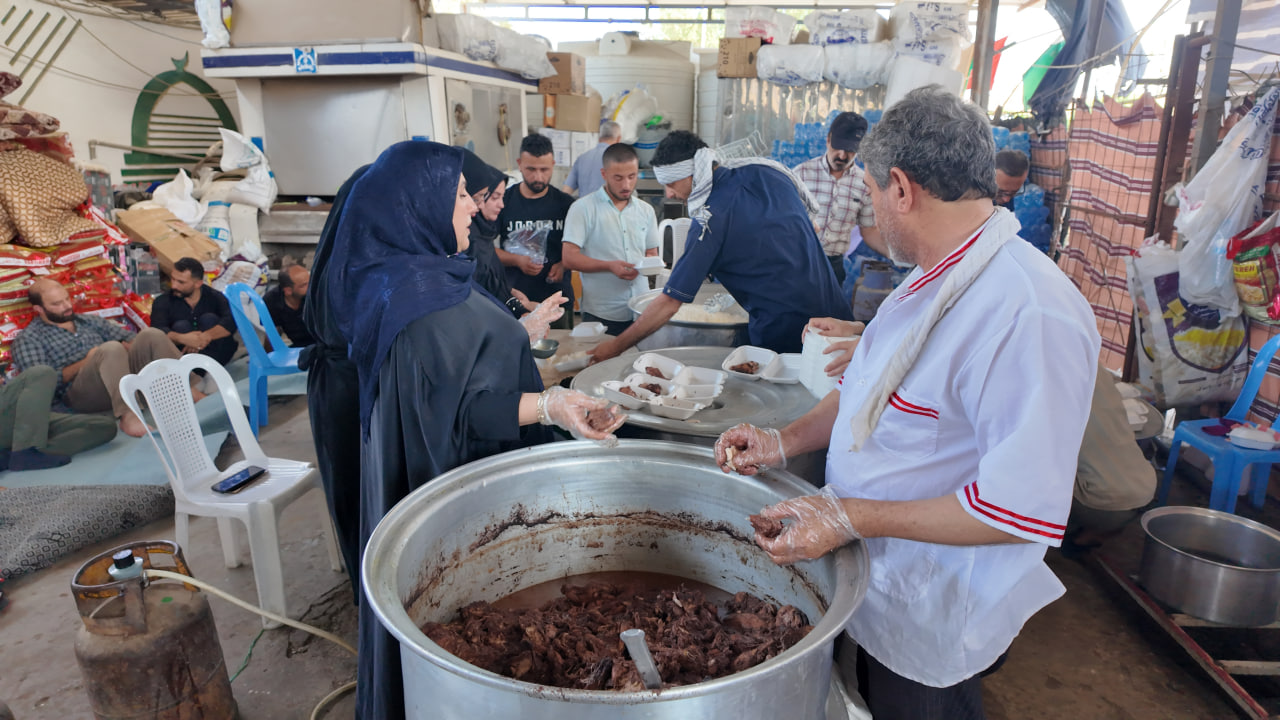
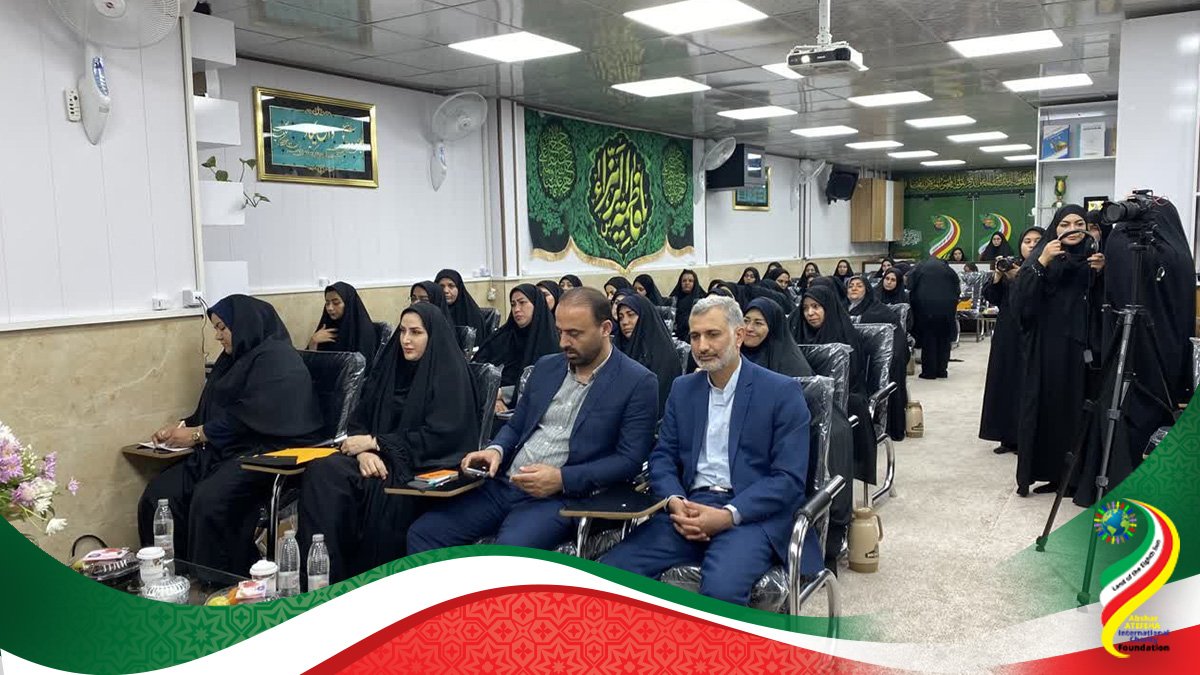
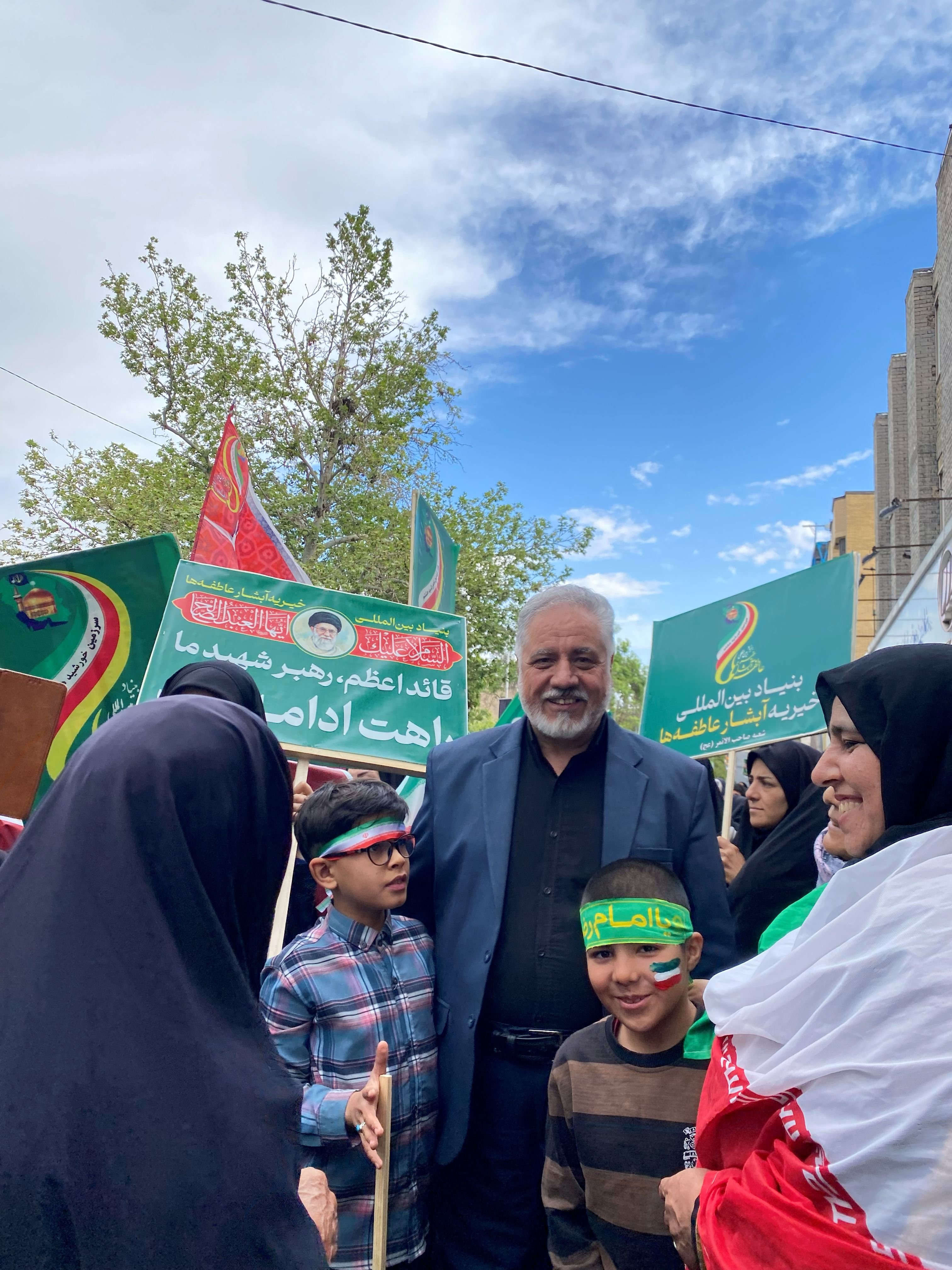
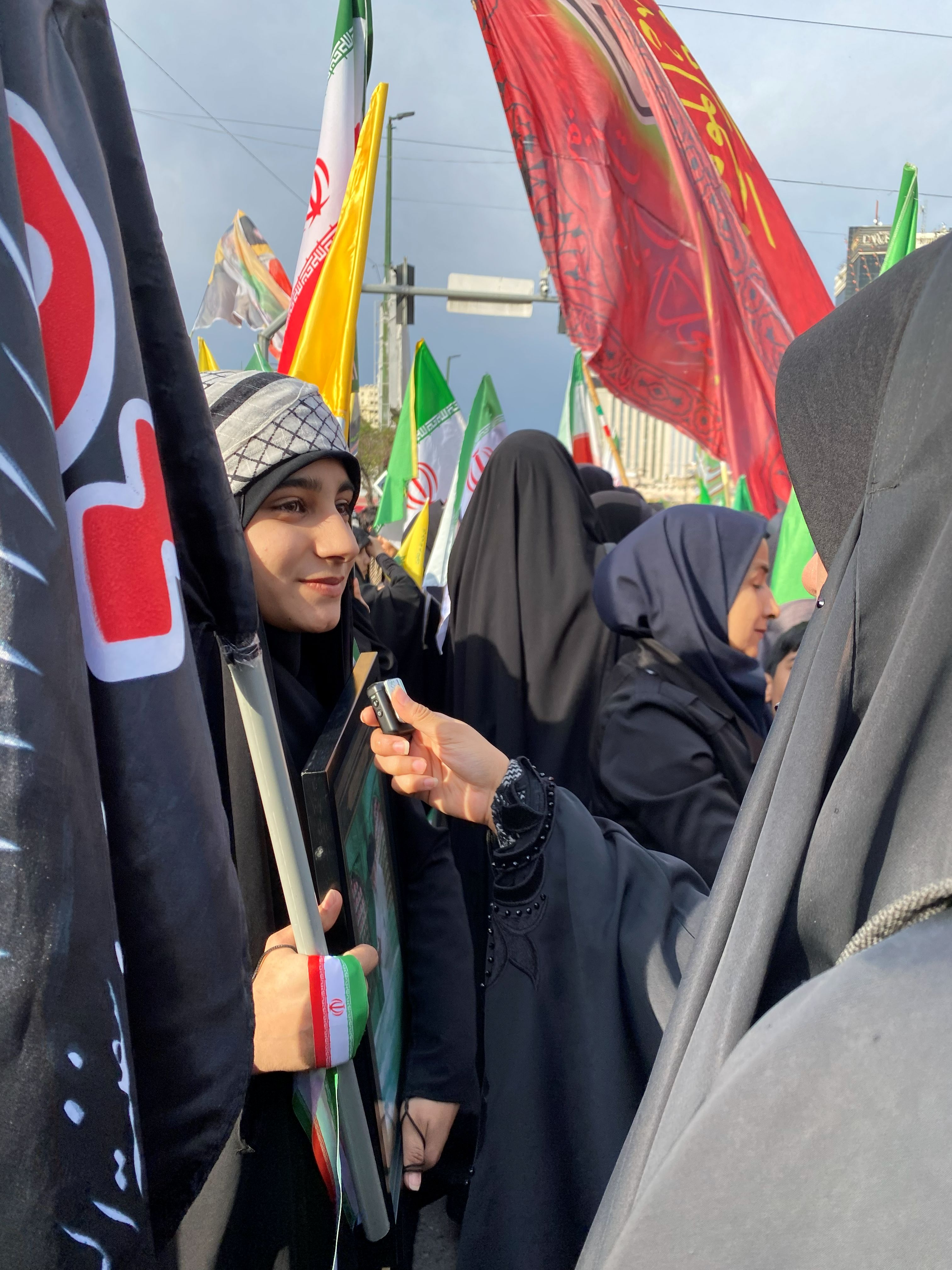
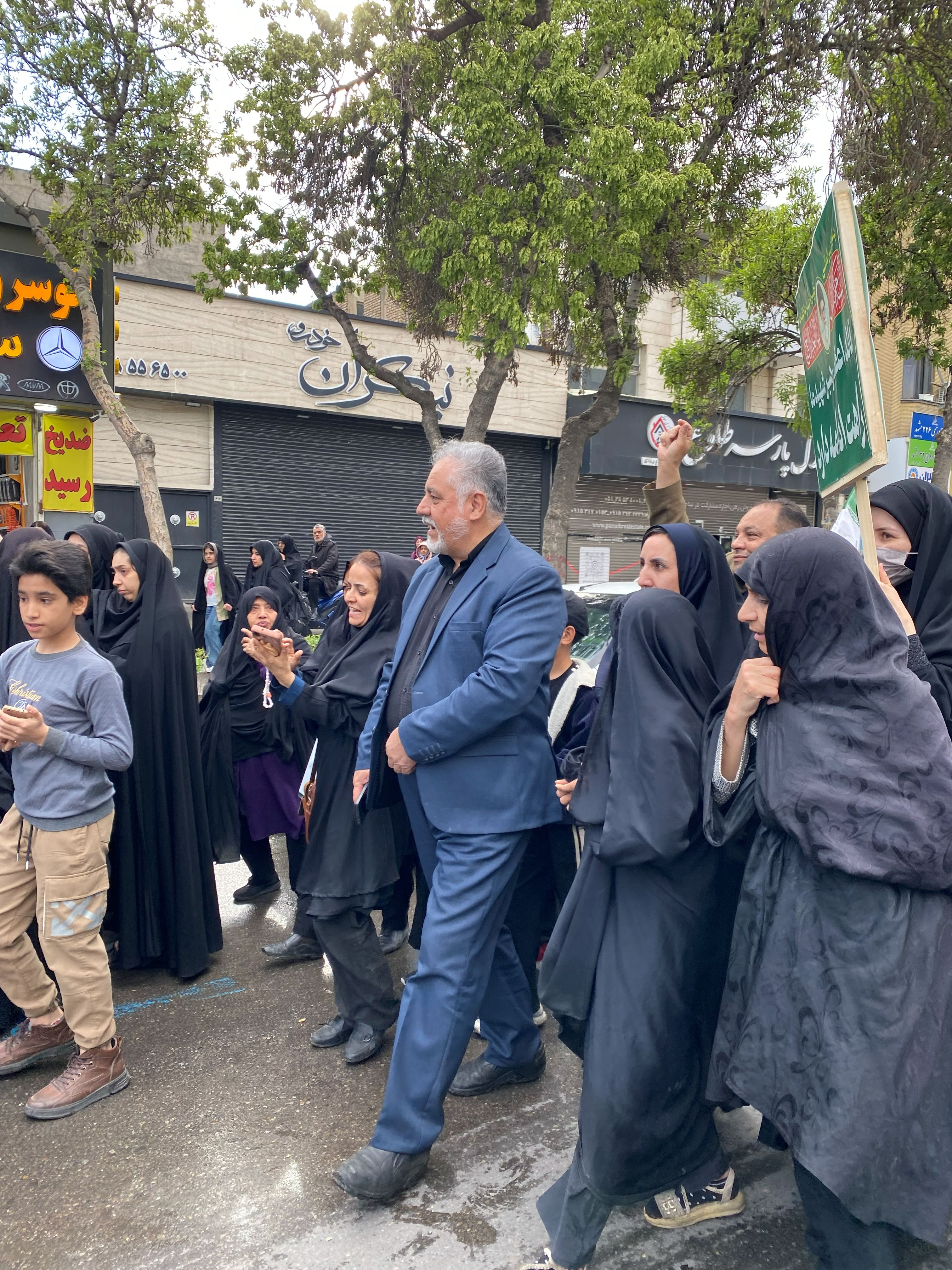
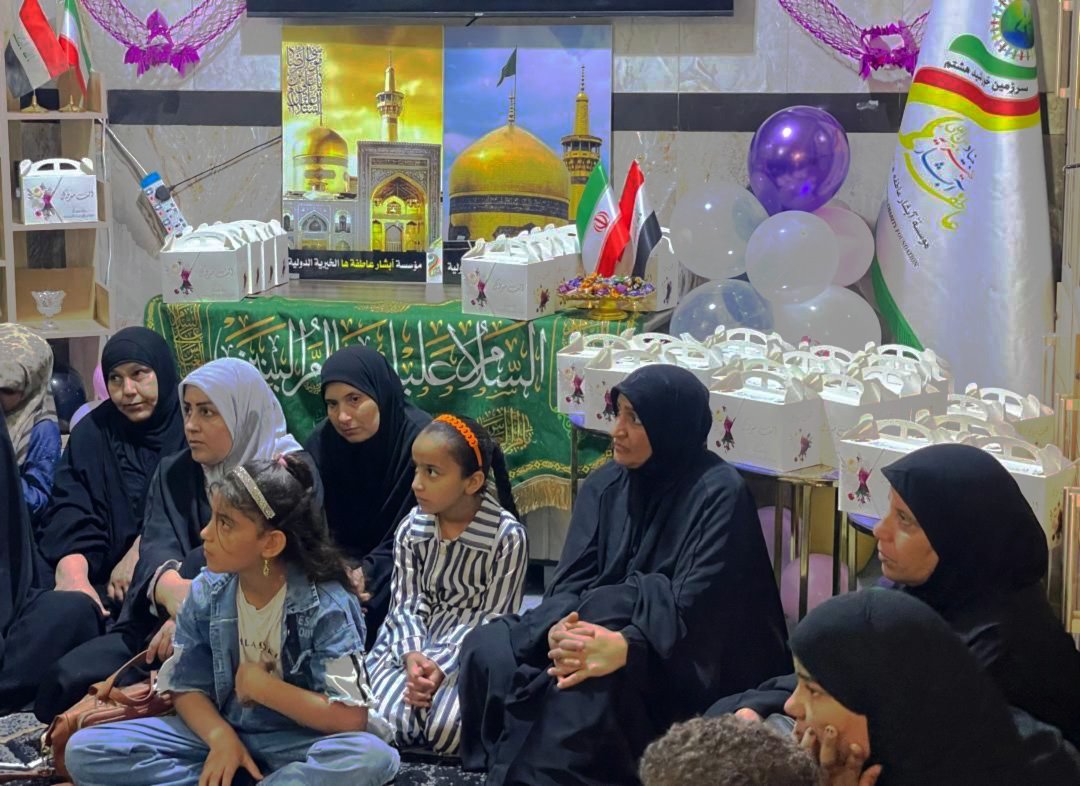
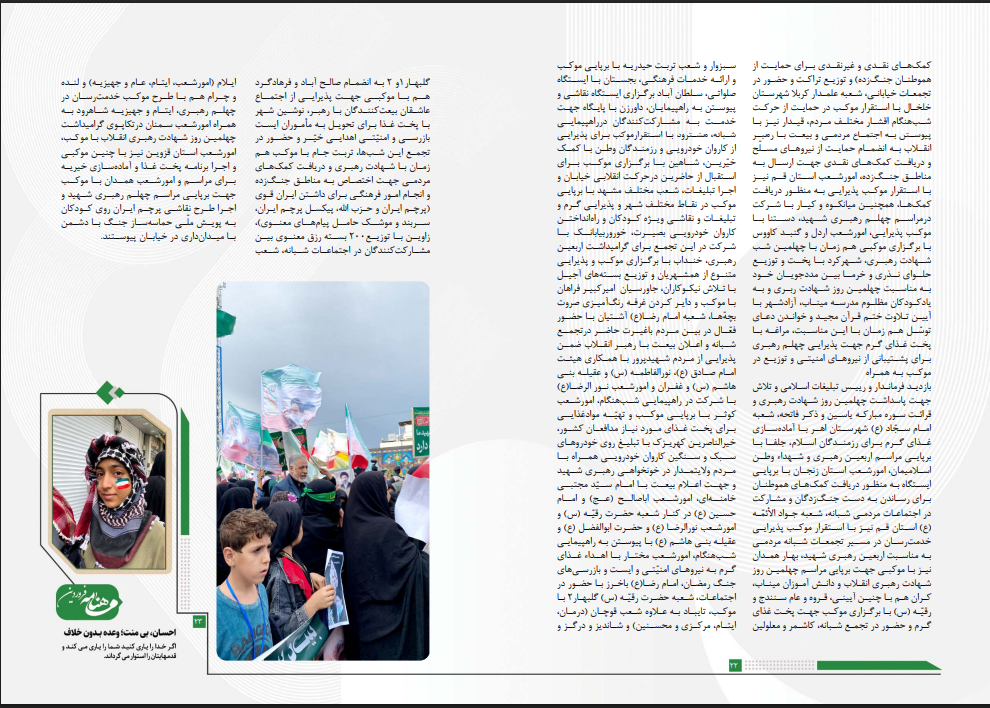
On the bright days of the middle of Shaban, coinciding with the auspicious birth anniversary of the Savior of the World, Hazrat Imam Ali (AS), the Waterfall of Emotions International Charity Foundation once again created a lasting scene of service, love, and faith with a magnificent and popular presence in the Holy Mosque of Jamkaran. The foundation served eager pilgrims for three to five days by organizing several active processions and displayed a manifestation of spiritual passion and sincere service with diverse cultural, social, and welfare programs.

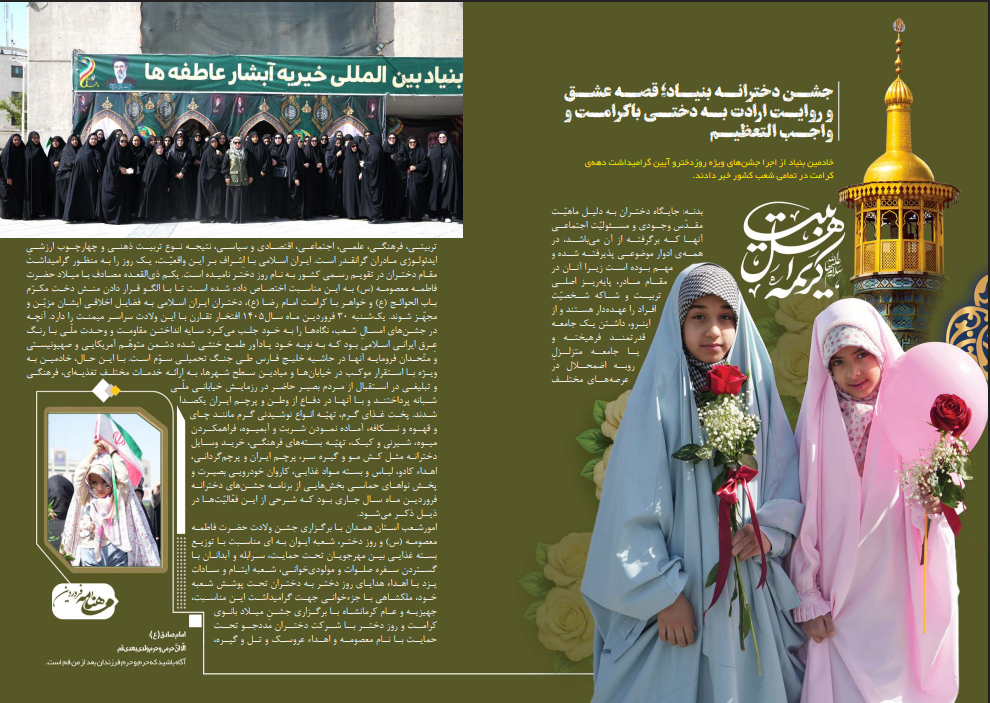
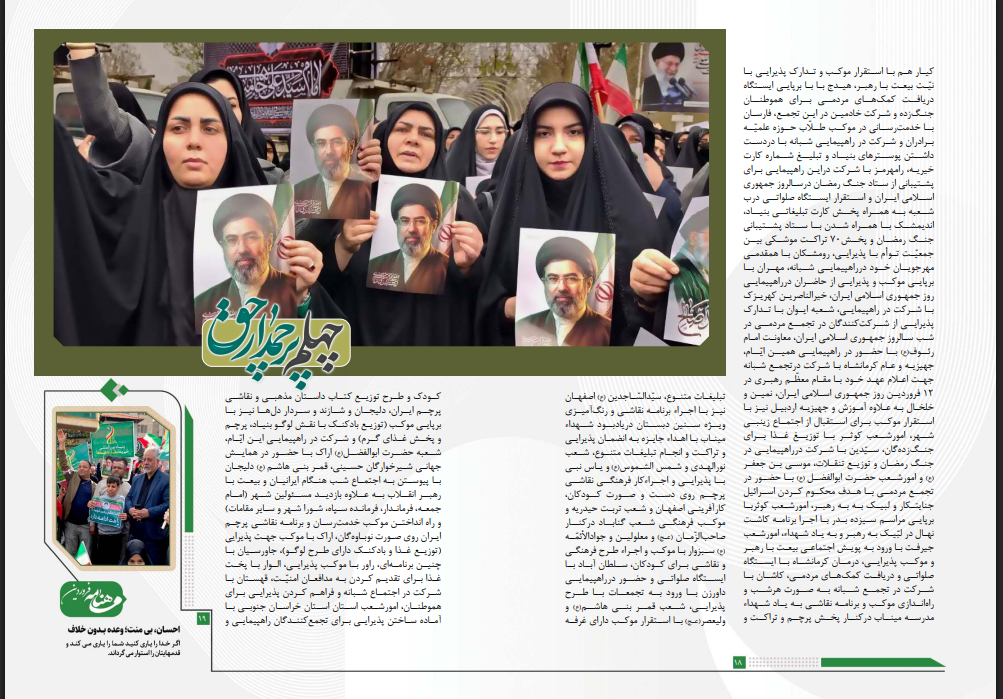
گزارش ویژه از فعالیت‌های بنیاد بین‌المللی خیریه آبشار عاطفه‌ها در مسجد مقدس جمکران

در روزهای نورانی نیمه شعبان، همزمان با میلاد فرخنده منجی عالم بشریت، حضرت ولی‌عصر (عج)، بنیاد بین‌المللی خیریه آبشار عاطفه‌ها بار دیگر با حضوری پرشکوه و مردمی در مسجد مقدس جمکران، صحنه‌ای ماندگار از خدمت، عشق و ایمان را رقم زد. این بنیاد با برپایی چندین موکب فعال، به مدت سه تا پنج روز به زائران مشتاق خدمت‌رسانی کرد و با برنامه‌هایی متنوع فرهنگی، اجتماعی و رفاهی، جلوه‌ای از شور معنوی و خدمت خالصانه را به نمایش گذاشت.


Statement
Statement

Statement of Abshar Atefeha Charity Institute Regarding the Recent Unrest in I.R.Iran

January 2026

Introduction
This statement is submitted by a long-established, non-governmental and non-political charitable organization that has carried out continuous activities throughout the Islamic Republic of Iran for several decades. The organization operates approximately nine hundred offices and local branches nationwide and manages an extensive humanitarian network for the collection and distribution of charitable assistance to vulnerable individuals and families.
The organization’s activities are exclusively humanitarian in nature and include the provision of food assistance, basic household necessities, donated dowries, and emergency relief in times of crisis.

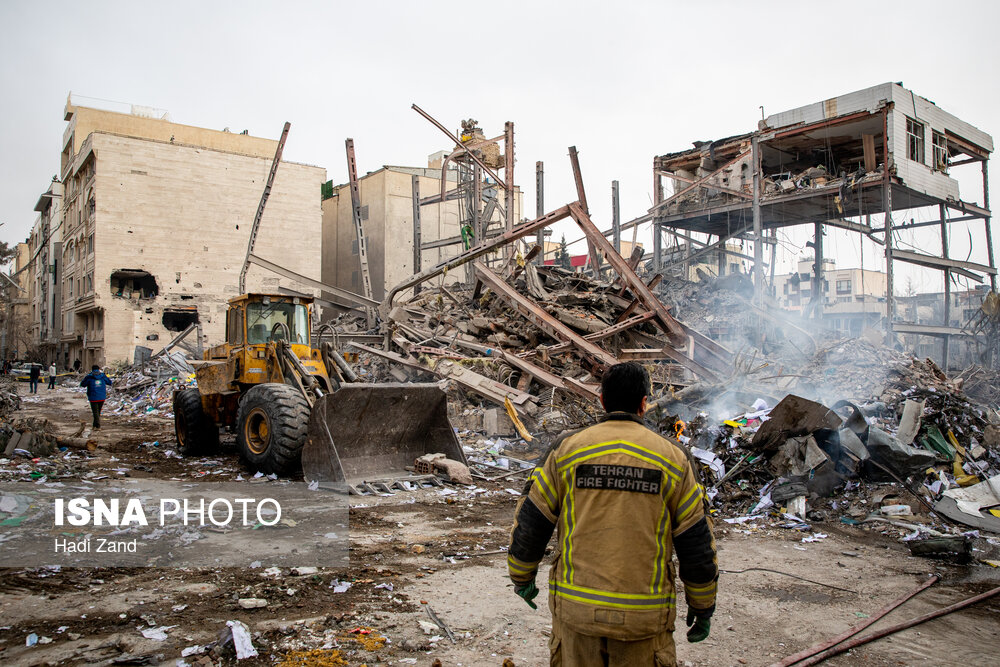
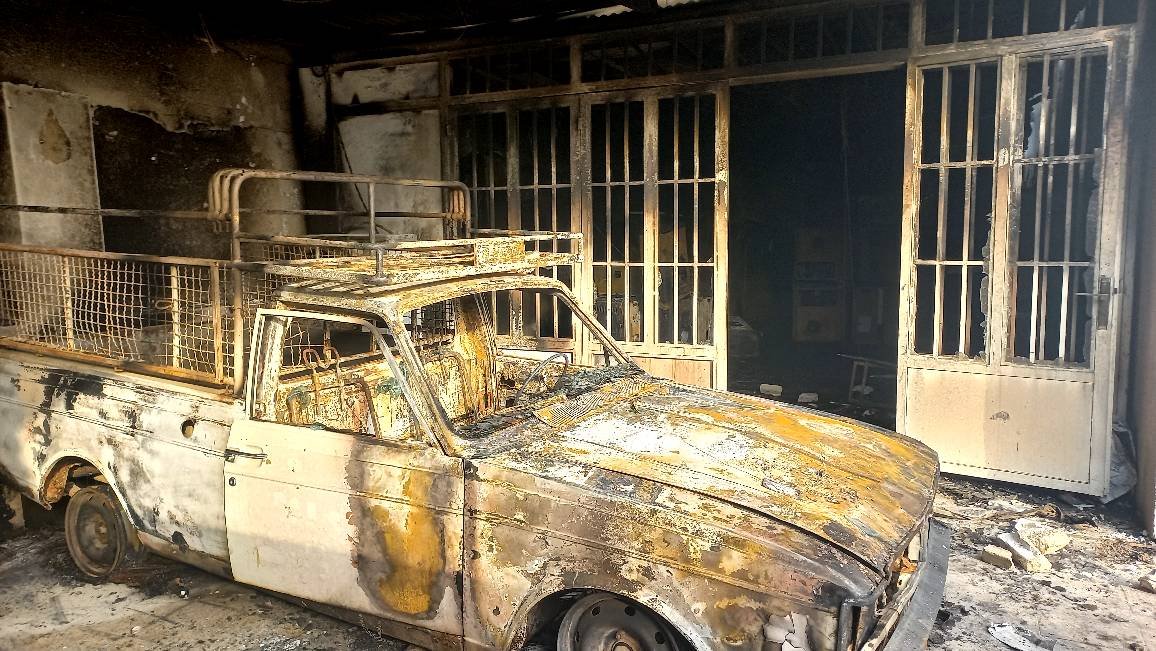
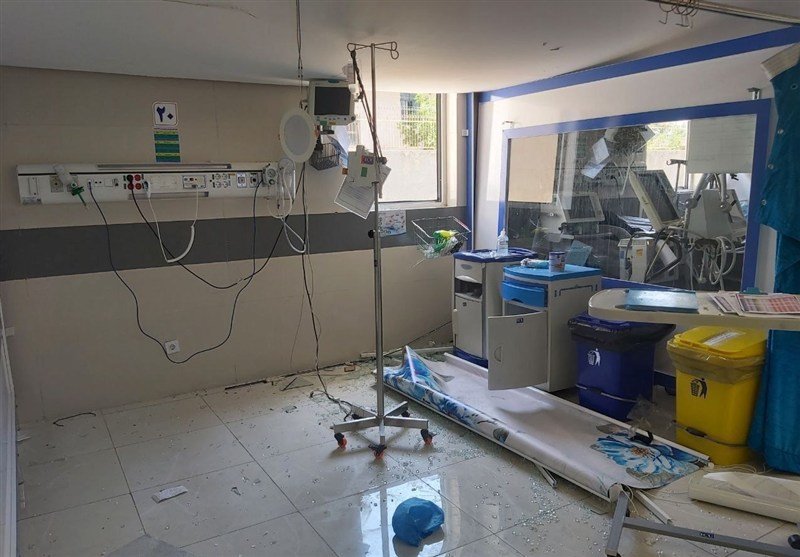
Nevertheless, during the recent period of widespread and violent unrest in various regions of Iran, several offices and branches of the organization were subjected to violent attacks. A number of these facilities were deliberately set on fire and completely destroyed. In other locations, office signs, doors, and windows were forcibly broken, and humanitarian and support items collected for needy families were looted and stolen. These acts directly deprived innocent civilians of access to essential assistance and caused significant material and operational damage to the organization’s capacity to deliver humanitarian services.

Concerns Regarding One-Sided Characterizations of the Events
This charity expresses serious concern regarding the predominantly one-dimensional portrayal of the events in Iran as consisting solely of peaceful gatherings. While the rights to peaceful assembly and freedom of expression are fully recognized under international human rights law, as well as under the Constitution of the Islamic Republic of Iran, the organization’s direct field experience indicates that the realities on the ground differed markedly from such characterizations.
In numerous instances, organized groups engaged in arson, looting, and violent attacks against public infrastructure, emergency services, and humanitarian institutions. Such actions cannot be characterized as peaceful protest. Within only a few days, they resulted in harm to civilians, destruction of public and charitable property, and the loss of the lives of many innocent individuals, including women, children, and bystanders.

We emphasize, based on verifiable evidence, that certain public statements and expressions of support for unrest in Iran by a number of foreign political leaders and government officials undoubtedly contributed to the escalation of violence and emboldened those engaged in destructive and criminal conduct. This occurred alongside explicit calls by separatist and terrorist groups operating outside Iran, creating an environment in which the long-standing objective of officials in the United States and Israel to inflict severe damage on the Islamic Republic of Iran was portrayed as attainable.

As a civil society organization, we firmly believe that all individuals must be afforded the opportunity to protest, express their views, and hold diverse political opinions. However, irrespective of political context or perspective, it is universally recognized that attacks on civilian and humanitarian facilities, as well as the killing and injuring of innocent civilians, constitute serious violations of international norms. We believe that the presence of trained and armed individuals who abruptly appeared within otherwise peaceful gatherings—using crowds as human shields while launching attacks with firearms and bladed weapons against law-enforcement and security personnel, and engaging in the killing of innocent people and staged violence to fuel further unrest—is a matter that warrants careful scrutiny and thorough investigation by the supervisory mechanisms of the Human Rights Council.

The Abshar Atefeha Charity Institute unequivocally and unconditionally condemns all acts of violence against civilians, humanitarian institutions, and charitable assets. The deliberate targeting of humanitarian infrastructure undermines the protection of vulnerable populations and erodes humanitarian space.

Our Institute calls upon the Special Rapporteur, the High Commissioner for Human Rights, and the Independent International Fact-Finding Mission on Iran to ensure that their assessments of these events are comprehensive, impartial, and balanced. The voices and accounts of civil society organizations operating inside Iran must be heard. We maintain that an exclusive reliance by human rights mechanisms on information and reports provided by actors based outside the country—many of whom are affiliated with opposition movements and thus inherently biased—deprives such reports of the necessary credibility, balance, and holistic perspective.

The charity further urges these mechanisms to acknowledge and document the destruction, looting, and loss of life resulting from violent actions against civilian and humanitarian institutions, and to underscore the imperative of accountability for all serious violations, in accordance with the principles of international human rights and humanitarian law.

How Donations Help Charities for Children with Special Needs Change Lives

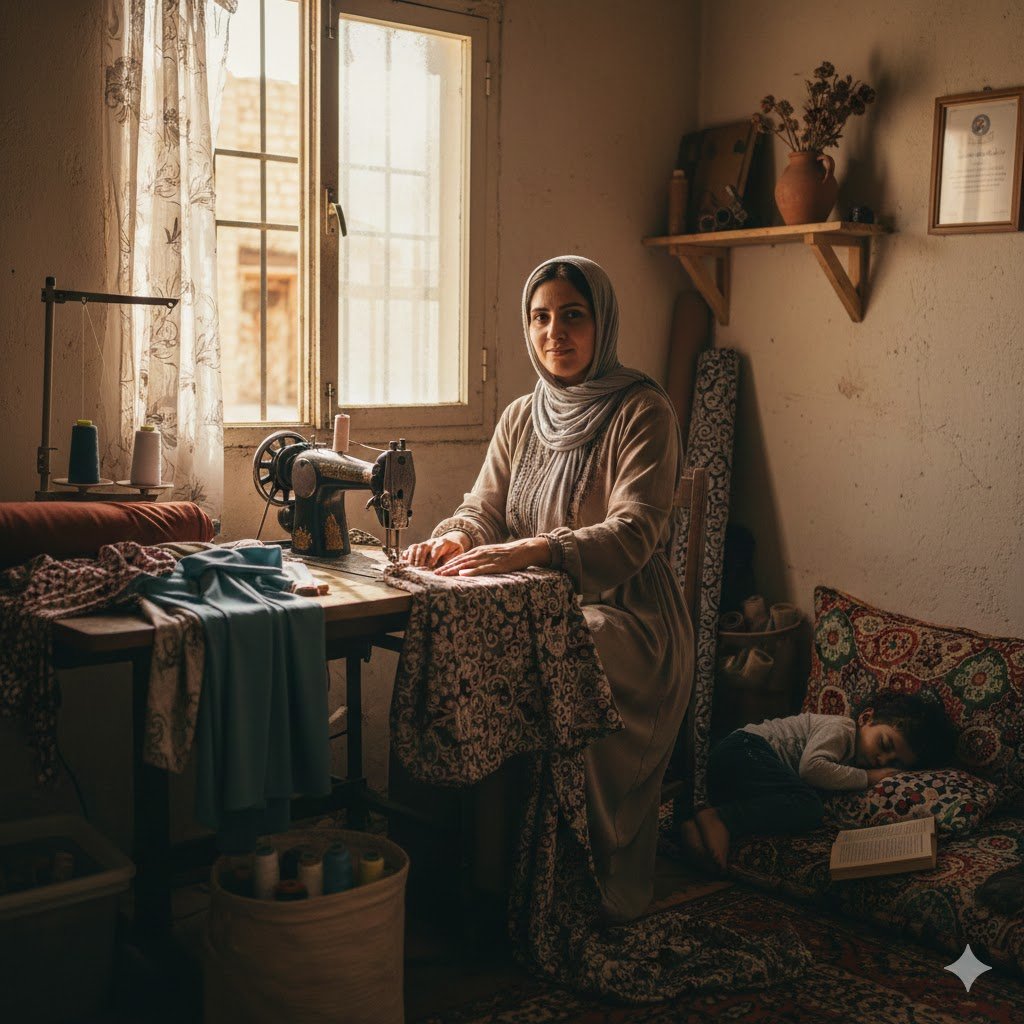
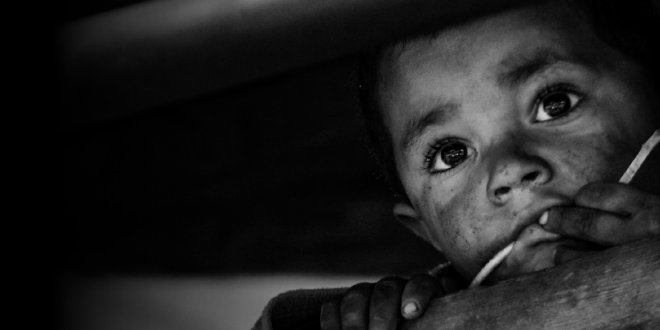
When it comes to supporting vulnerable groups in society, children with special needs often face the greatest challenges. From accessing healthcare to pursuing education and achieving independence, the journey for these children is far from easy. That’s why trusted charities such as Abshar Atefeha Foundation in Iran, along with international organizations, play a critical role in transforming lives.

But how exactly do donations help charities for children with special needs bring meaningful change? Beyond numbers and financial reports, every contribution creates real stories of hope, resilience, and empowerment.