Non-governmental organizations (NGOs) play a crucial role in reducing poverty and supporting sustainable development by providing essent services, empowering vulnerable communities, and creating long-term social solutions. Through financial assistance, healthcare support, education programs, and community initiatives, NGOs help improve living conditions and promote equality.
The experience of Abshar Atefeha demonstrates how organized charitable activities can transform individual contributions into meaningful social impact. By connecting donors, volunteers, and communities, the organization supports families in need and contributes to building a stronger and more sustainable society.
Supporting NGOs is not only about providing immediate help; it is an investment in the future of communities, creating opportunities for dignity, independence, and a better quality of life for vulnerable groups.
The Role of Non-Governmental Organizations in Reducing Poverty and Promoting Sustainable Development: The Experience of Abshar Atefeha
Poverty is one of the most complex social challenges affecting communities around the world. Reducing poverty requires more than financial support; it requires sustainable solutions, social empowerment, education, healthcare access, and opportunities for vulnerable groups
Non-governmental organizations (NGOs) play an important role in creating these opportunities by connecting communities, donors, and social programs. Organizations such as Abshar Atefeha have demonstrated how charitable activities can contribute to poverty reduction, social welfare improvement, and sustainable development by supporting families in need
What Are Non-Governmental Organizations (NGOs)?
Non-governmental organizations are independent organizations that operate to address social, humanitarian, environmental, and community needs without being part of government structures. Their main goal is to create positive social change through programs that support vulnerable individuals and communities
:NGOs often work in different areas, including
- Poverty reduction and financial assistance programs
- Healthcare and medical support services
- Education and skill development
- Support for children, elderly people, and vulnerable families
- Community development and social empowerment
Unlike short-term charity approaches, modern NGOs focus on sustainable solutions that help individuals improve their quality of life and become more independent
How Do NGOs Help Reduce Poverty?
Poverty is not only related to a lack of income. It is also connected to limited access to education, healthcare, employment opportunities, and social resources. NGOs help address these challenges by providing targeted support and creating programs designed for people facing economic difficulties
Providing Support for Vulnerable Families
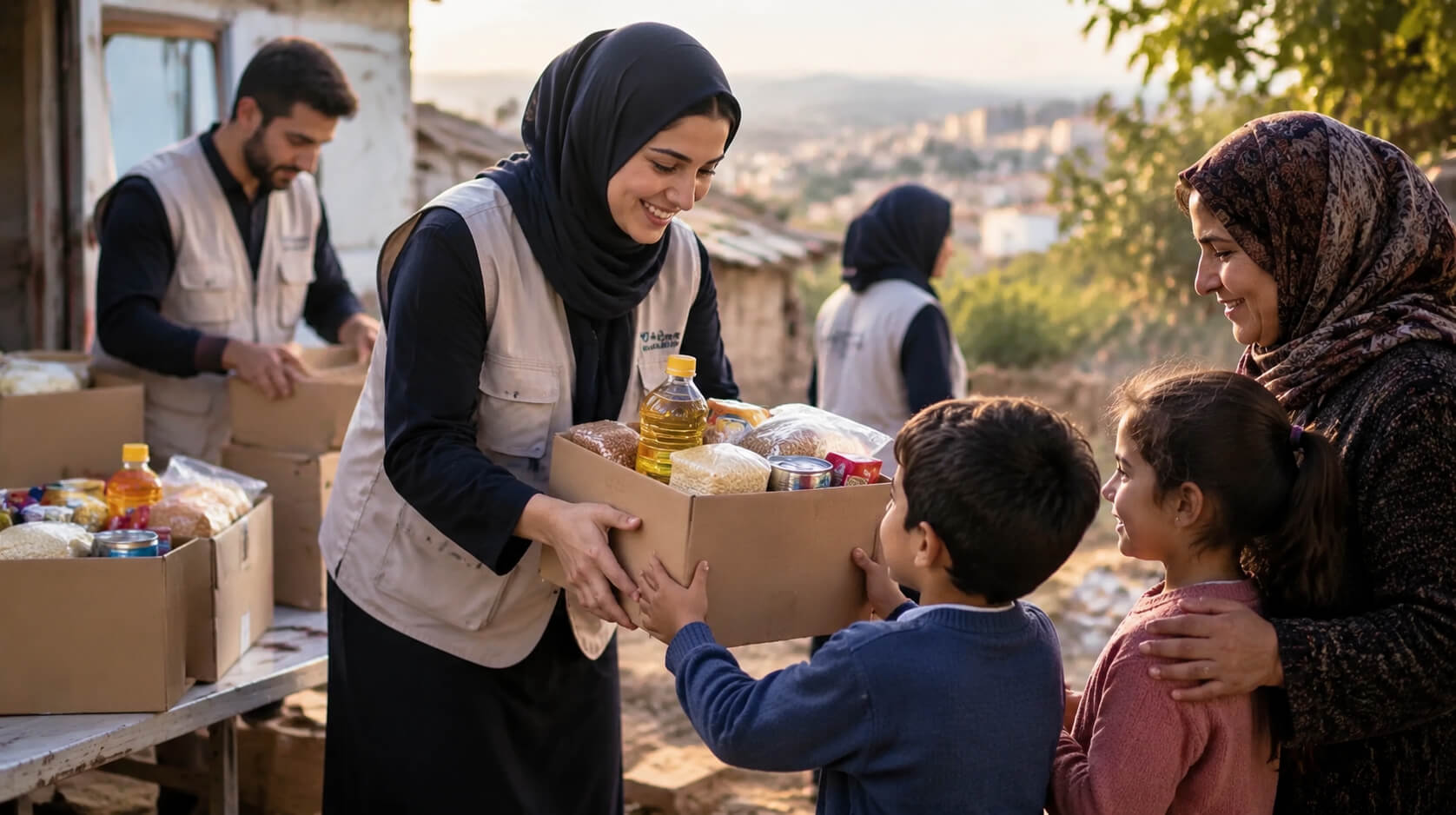
One of the most important roles of NGOs is supporting families who experience financial hardship. Through donations, social programs, and community participation, organizations can provide essential resources such as food packages, clothing, household support, and emergency assistance
These programs help families overcome immediate challenges while creating stronger foundations for long-term social improvement
Creating Opportunities Instead of Temporary Solutions
Sustainable poverty reduction requires long-term solutions. NGOs contribute by supporting education, vocational training, entrepreneurship, and empowerment programs that allow individuals to build a more stable future
By focusing on empowerment, NGOs help communities become more independent and improve their ability to overcome economic challenges
Improving Access to Healthcare and Social Services
Healthcare costs can become a major burden for low-income families. Charitable organizations help reduce this pressure by supporting medical services, assisting patients, and improving access to essential healthcare resources
Healthcare support is an important part of poverty reduction because healthier communities have better opportunities for education, employment, and social development
Learn more about charity medical services and community healthcare programs and their role in supporting vulnerable groups
The Connection Between NGOs and Sustainable Development
Sustainable development focuses on creating a balance between social progress, economic growth, and community responsibility. NGOs contribute to sustainable development by helping communities become stronger, more resilient, and better prepared for future challenges
Through humanitarian programs and social initiatives, NGOs support sustainable development by reducing inequality, improving access to essential services, and encouraging cooperation between different parts of society
| NGO Activity | Contribution to Sustainable Development |
|---|---|
| Poverty Support Programs | Improve living conditions and reduce economic inequality. |
| Education Initiatives | Create better opportunities and increase social mobility. |
| Healthcare Support | Improve community health and reduce financial pressure on families. |
| Women and Family Empowerment | Strengthen communities through independence and participation. |
| Community Engagement | Build cooperation between citizens, organizations, and donors. |
The Experience of Abshar Atefeha in Supporting Communities
Abshar Atefeha has worked to support vulnerable groups and strengthen social responsibility through organized charitable activities. The organization believes that sustainable support is created through cooperation between people, donors, volunteers, and social institutions
Through its humanitarian programs, Abshar Atefeha focuses on improving the quality of life for families in need and creating a stronger connection between community support and social development
The organization's activities demonstrate how cooperation and public participation can transform charitable efforts into meaningful social impact. By supporting families and encouraging community involvement, charitable organizations can help build a more resilient society
The Importance of Community Participation in Reducing Poverty
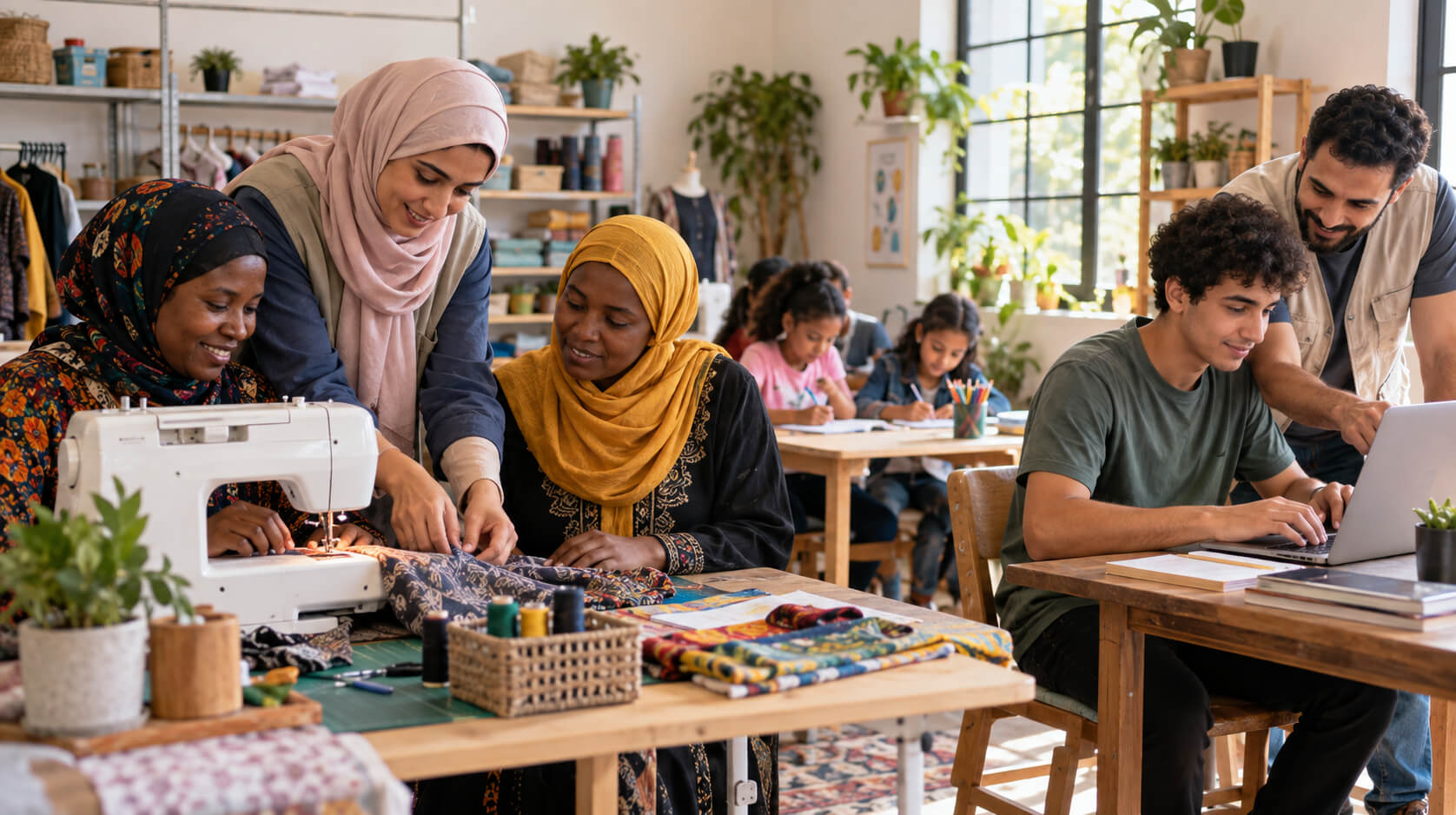
Community participation is one of the most important factors in the success of humanitarian and social development programs. When individuals, businesses, and organizations work together, they can create stronger solutions for poverty reduction and social improvement
Charitable organizations depend on public participation because every contribution, including financial support, volunteering, or awareness sharing, can increase the impact of social programs
The Role of Donors in Supporting Sustainable Change
Donors play a key role in helping NGOs continue their activities. Regular donations allow organizations to plan long-term projects and provide consistent support for vulnerable groups
Unlike temporary assistance, continuous support helps charities develop sustainable programs that address the root causes of poverty and improve community welfare
How Businesses Can Support NGOs
Companies can contribute to sustainable development through corporate social responsibility (CSR) programs. Partnerships between businesses and NGOs can create valuable opportunities for communities by supporting education, healthcare, employment, and social welfare projects
Business participation in charitable initiatives not only supports vulnerable communities but also strengthens social responsibility and cooperation between different sectors
The Role of Donations in Creating Sustainable Development
Donations are one of the main resources that allow NGOs to continue supporting communities. However, the true value of donations goes beyond financial assistance. Effective donations help create opportunities, improve access to essential services, and strengthen community resilience
Through responsible donation systems, organizations can provide targeted support for families, children, and individuals who need assistance the most
You can also learn more about how donations support vulnerable children and families and help create positive changes in their lives
Why Supporting Organizations Like Abshar Atefeha Matters
Supporting reliable charitable organizations creates a bridge between people who want to help and communities that need assistance. Organizations like Abshar Atefeha transform individual acts of kindness into organized social support programs
By supporting humanitarian initiatives, individuals can contribute to reducing inequality, improving social welfare, and creating a more sustainable future for communities
How You Can Support Poverty Reduction Programs
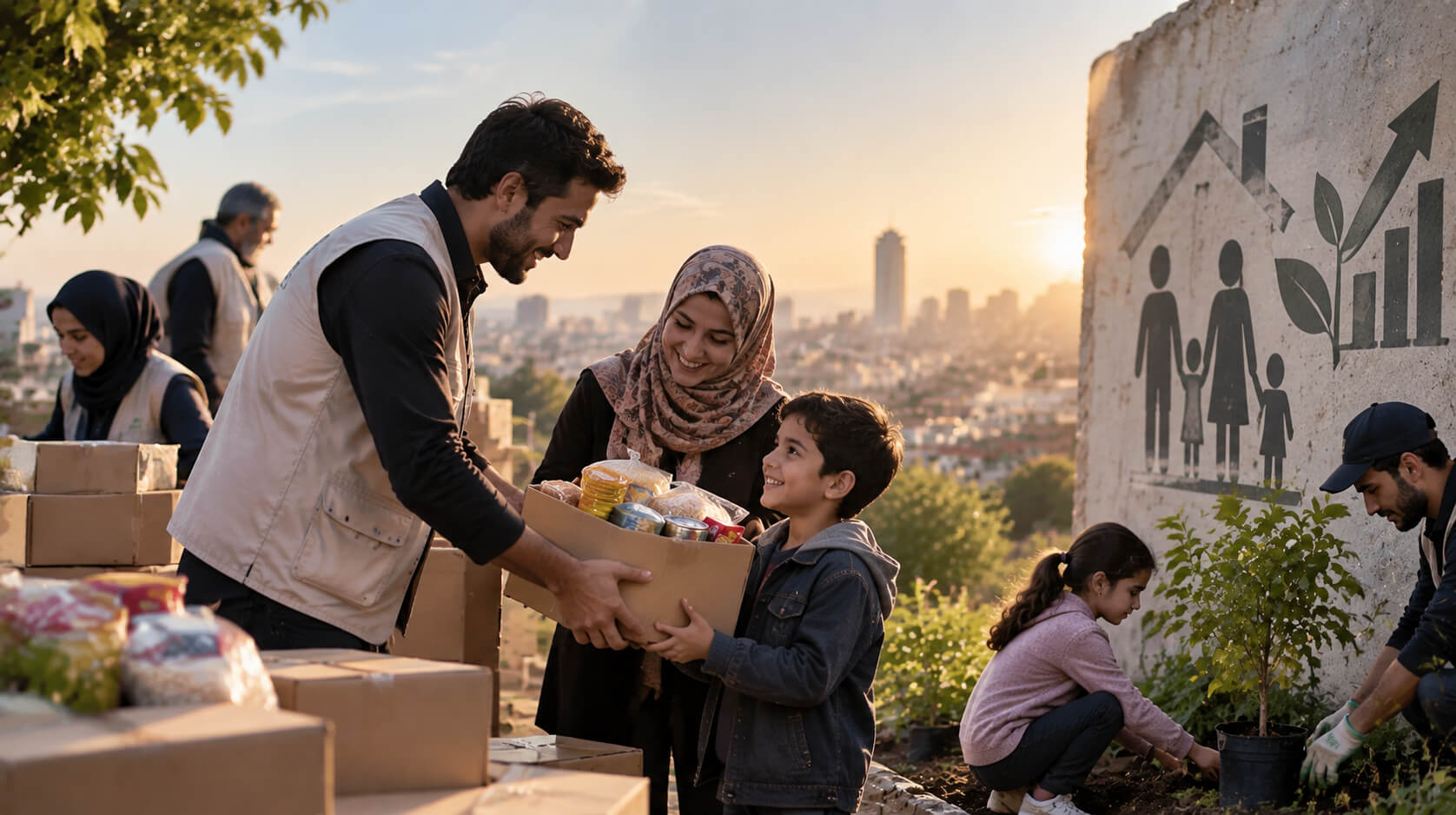
Everyone can play a role in reducing poverty and supporting sustainable development. Contributions do not always need to be large; even small actions can create meaningful changes.
- Financial Donations: Supporting charity programs through regular or one-time donations
- Volunteering: Sharing professional skills, time, and experience with communities in need
- Raising Awareness: Introducing trusted charitable organizations to more people
- Social Partnerships: Businesses and institutions can collaborate with NGOs to expand their impact
Support Abshar Atefeha Charity Programs
Your support can help create better opportunities for families and individuals who need assistance. By participating in charitable programs, you can contribute to reducing poverty, strengthening communities, and building a more compassionate society.
Whether through donations, volunteering, or sharing awareness, every contribution can make a meaningful difference.
Learn More About Abshar AtefehaFrequently Asked Questions (FAQ)
What is the role of NGOs in reducing poverty
NGOs help reduce poverty by providing social support, healthcare services, educational opportunities, and empowerment programs for vulnerable communities.
How do NGOs contribute to sustainable development
NGOs support sustainable development by improving social conditions, reducing inequality, increasing access to essential services, and encouraging community participation.
Why are donations important for charitable organizations
Donations provide the resources needed for charities to continue humanitarian programs and create long-term solutions for people facing economic challenges.
How can individuals support poverty reduction initiatives
Individuals can support poverty reduction through donations, volunteering, spreading awareness, and participating in community-based programs.
What makes Abshar Atefeha's activities important for communities
Abshar Atefeha supports vulnerable families and strengthens social responsibility by connecting donors, volunteers, and communities through organized charitable programs.
Conclusion
Non-governmental organizations play a vital role in reducing poverty and supporting sustainable development. By addressing social challenges, improving access to essential services, and encouraging community participation, NGOs help create stronger and more resilient societies.
The experience of Abshar Atefeha shows how organized charitable activities can transform individual support into meaningful social impact.
Through cooperation between communities, donors, businesses, and humanitarian organizations, it is possible to build a future where more people have access to opportunities, dignity, and a better quality of life.